
Bogotá doesn’t get the credit it deserves. While Medellín dominates the Colombia digital nomad conversation, the country’s capital has quietly built a remote work infrastructure — co-working spaces, fast fiber internet, a genuine startup ecosystem, and a cultural density that no other Colombian city can match — at a price point that makes it one of the best-value urban bases in Latin America. The Bogotá digital nomad scene has distinct advantages over Medellín: altitude (2,600m keeps temperatures at a permanent 14–18°C), no “eternal spring” cliché, a world-class museum and dining scene, and neighborhoods that reward long-term residents rather than short-term tourists. This Bogotá digital nomad guide covers everything you need to set up a 2026 remote work base in Colombia’s capital.
At a Glance
| Country | Colombia |
| Currency | Colombian Peso (COP) — ~4,000 COP per $1 USD |
| Language | Spanish; English spoken in Chapinero, Usaquén, and co-working areas |
| Climate | Cool and overcast year-round — 14–18°C (altitude 2,600m) |
| Monthly budget (comfortable) | $900–$1,600/month |
| Monthly budget (frugal) | $650–$900/month |
| Visa | 180-day tourist permit on arrival for US, EU, UK, and most nationalities |
| Airport | El Dorado International (BOG) — 25 min from Chapinero |
| Co-working cost | $70–$130/month |
Why Bogotá Digital Nomad Life Deserves More Attention
The Bogotá digital nomad case starts with one underappreciated fact: Bogotá is a proper world city. The population exceeds 8 million; the restaurant scene includes Michelin-recognized chefs serving modern Colombian cuisine; the Gold Museum, Botero Museum, and Museo Nacional are among Latin America’s finest; and the TransMilenio bus rapid transit and expanding Metro system provide urban mobility that most Latin American capitals lack. For remote workers wanting a genuine metropolitan experience — not a beach resort with Wi-Fi — Bogotá delivers at a fraction of the cost of equivalent cities in North America or Europe.
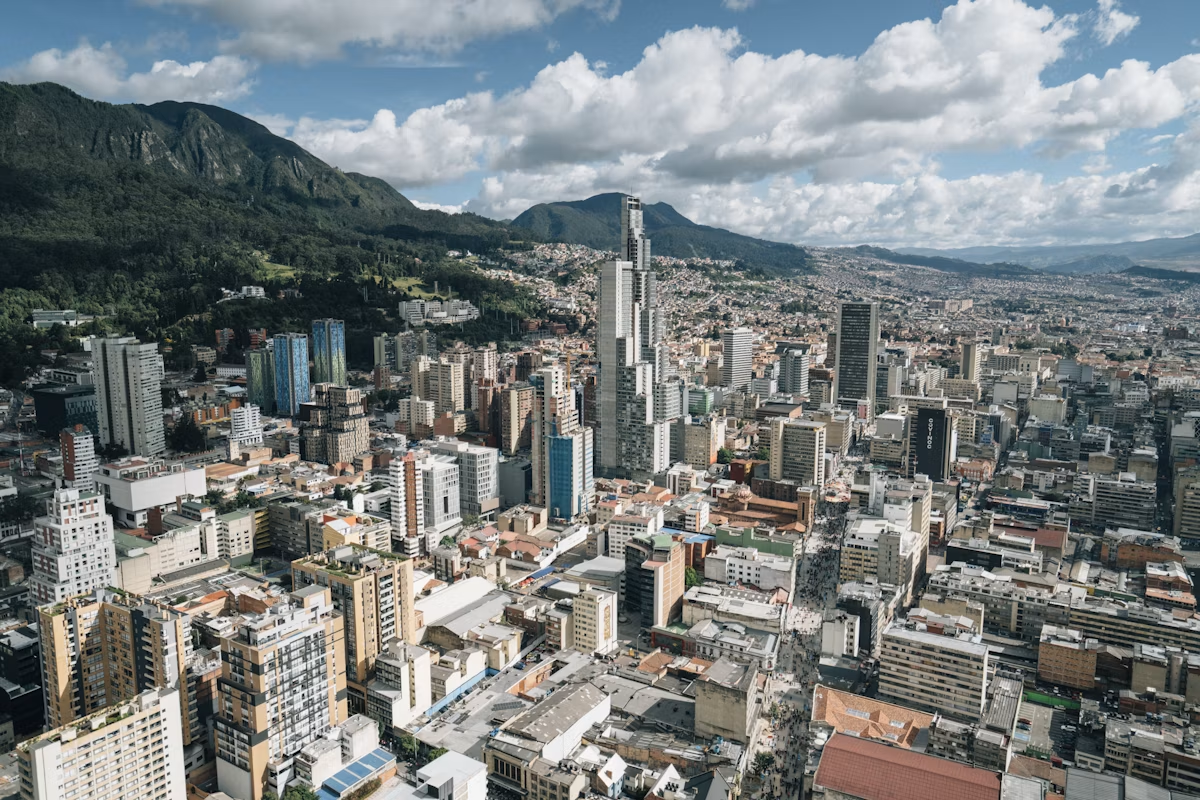
Photo by Random Institute on Unsplash
The 180-day tourist permit — identical to Medellín, since it’s the same country — is the foundational logistics advantage. No application, no fees, no check-ins. Most Western nationalities simply arrive and have 180 days. For longer stays, Colombia’s digital nomad visa (introduced 2022) offers 2-year residency with income documentation.
What’s Changed in 2026
- The Bogotá Metro Line 1 (first line of a long-planned metro system) is now operational, connecting the northern residential neighborhoods to the city center
- Co-working space density in Chapinero and Usaquén has increased significantly — 40+ dedicated spaces now operate in the primary nomad neighborhoods
- The Bogotá digital nomad community has grown to rival Medellín’s in size, particularly in the tech and startup sector
Best Neighborhoods for Bogotá Digital Nomads
Chapinero — Best Overall for Bogotá Digital Nomads
Chapinero is the Bogotá digital nomad neighborhood of choice — a grid of commercial and residential streets in the city’s center-north with the highest concentration of co-working spaces, specialty cafés, independent restaurants, and the LGBT+ cultural scene that has made it one of the most progressive and cosmopolitan neighborhoods in Colombia. The Chapinero Alto (upper) section, closest to the Andes foothills, is quieter and more residential; Chapinero Central has more commercial energy.
Monthly furnished apartment rentals in Chapinero: COP 1,800,000–3,000,000 ($450–$750).
- Best for: First-time Bogotá digital nomad arrivals, café work culture, maximum co-working access
- Metro/TransMilenio: Excellent connectivity throughout
Usaquén — Best for Comfort and Premium Living
North of Chapinero, Usaquén is Bogotá’s most upscale residential neighborhood — colonial-era houses converted to boutique restaurants, antique markets on Sundays, tree-lined streets, and the highest concentration of international residents in the city. The Sunday Fleamarket (Mercado de las Pulgas) draws the entire Bogotá digital nomad and expat community weekly.
- Rent (1BR furnished): COP 2,500,000–4,500,000 ($625–$1,125)/month
- Best for: Premium lifestyle, international community, longer stays of 3+ months
La Candelaria — Best for Culture and Budget (Short Stays)
The historic colonial center of Bogotá — colorful 17th-century architecture, the Gold Museum, Botero Museum, Plaza Bolívar, and the cheapest accommodation in the city. Not recommended for longer-term Bogotá digital nomad stays due to safety concerns at night, but excellent for a 3–5 day cultural circuit combined with a main base in Chapinero or Usaquén.
- Rent (per night, hostel): COP 40,000–80,000 ($10–$20)
Zona Rosa / El Nogal — Best for Business and Nightlife
The commercial heart of northern Bogotá — the Andino and El Retiro malls, the highest concentration of international restaurants and bars, and corporate headquarters make this the default for business-focused Bogotá digital nomad residents.
- Rent (1BR furnished): COP 2,800,000–5,000,000 ($700–$1,250)/month
Best Co-Working Spaces in Bogotá
Selina Bogotá (Chapinero)
Selina’s Bogotá location brings the company’s reliable global co-working formula to Chapinero — good fiber, social events, and accommodation bundled with workspace. The standard entry point for Bogotá digital nomad arrivals who want everything handled immediately.
- Price: COP 350,000/month (~$87) co-working only
- Best for: Short-stay nomads, social integration, new Bogotá arrivals
WeWork (Multiple Locations)
WeWork operates multiple Bogotá locations including Zona Rosa and El Nogal. Professional environment, strong fiber, meeting rooms, and an international business network — the most corporate option available to the Bogotá digital nomad community.
- Price: COP 500,000–700,000/month ($125–$175) hot desk
- Best for: Corporate remote workers, professional networking, visa letter support
Atomhouse Bogotá (Chapinero)
An independent co-working space in Chapinero with a strong startup and tech community, fast fiber, 24/7 access on monthly plans, and event programming that builds genuine professional networks.
- Price: COP 380,000/month (~$95) hot desk
- Best for: Tech workers, startup founders, longer-term Bogotá digital nomad residents
Monthly Cost of Living in Bogotá (2026)
| Category | Budget | Mid-Range | Comfortable |
|---|---|---|---|
| Rent (1BR furnished) | COP 1,600,000 ($400) | COP 2,500,000 ($625) | COP 4,000,000 ($1,000) |
| Co-working | COP 0 (cafés) | COP 380,000 ($95) | COP 600,000 ($150) |
| Food | COP 700,000 ($175) | COP 1,200,000 ($300) | COP 2,000,000 ($500) |
| Transport (TransMilenio) | COP 100,000 ($25) | COP 200,000 ($50) | COP 350,000 ($87) |
| Health insurance | COP 200,000 ($50) | COP 350,000 ($87) | COP 600,000 ($150) |
| Activities / misc | COP 200,000 ($50) | COP 450,000 ($112) | COP 800,000 ($200) |
| Total (USD) | ~$700 | ~$1,269 | ~$2,087 |
Bogotá Food Scene
Bogotá has Colombia’s finest dining scene — the city’s altitude and cool climate support ingredient variety that coastal cities lack, and the concentration of wealth and international residents has built a restaurant culture that serious food travelers underestimate.
Street food and everyday eating for the Bogotá digital nomad:
- Ajiaco: Bogotá’s signature soup — chicken, three varieties of potato, guascas herb, cream, and capers. COP 15,000–25,000 ($3.75–$6.25) at any local restaurant
- Changua: Milk and egg soup, the traditional Bogotá breakfast. COP 8,000–12,000 ($2–$3) at local cafés
- Empanadas: Fried corn pastry filled with potato and meat. COP 2,000–4,000 ($0.50–$1) each from street vendors
- Bandeja Paisa: The full Colombian plate — rice, beans, chicharrón, egg, avocado, plantain. COP 18,000–30,000 ($4.50–$7.50)
- Colombian coffee: Bogotá has the best specialty coffee scene in the country, drawing on Colombia’s world-class growing regions. A well-made espresso at a specialty café: COP 5,000–8,000 ($1.25–$2)
Best neighborhoods for food: Usaquén (fine dining and international), Chapinero (casual and specialty coffee), La Macarena (bohemian, independent restaurants).
Safety in Bogotá — Honest Assessment
Bogotá’s safety reputation has improved significantly over the past decade, but the Bogotá digital nomad community maintains sensible precautions as standard practice.
Safe neighborhoods for daily life: Chapinero, Usaquén, Zona Rosa, El Nogal, La Macarena, Teusaquillo. These areas are where virtually all Bogotá digital nomad residents live and work.
Areas requiring more awareness: La Candelaria at night, the downtown TransMilenio corridors during rush hour, and areas south of Calle 26.
Standard precautions:
- Use Uber or InDrive exclusively — never street taxis
- Don’t display laptops or phones on the street
- Keep phone in pocket in crowded areas (TransMilenio especially)
- Join Bogotá nomad WhatsApp groups for current neighborhood updates
Practical Tips for Arriving Nomads
Getting from the Airport
El Dorado Airport (BOG) is 25 km from Chapinero. Uber operates from the airport and costs COP 30,000–50,000 ($7.50–$12.50) to Chapinero or Usaquén. The TransMilenio Airport Express (COP 2,950 / $0.74) runs to Portal El Dorado and connects to the main BRT network — cheapest but requires navigating with luggage.
Getting Around Bogotá
The TransMilenio BRT system covers the main north-south corridors efficiently — COP 2,950 ($0.74) per journey with a Tullave card. The new Metro Line 1 adds east-west capacity in northern Bogotá. Uber and InDrive cover everything else — most Chapinero/Usaquén journeys: COP 10,000–20,000 ($2.50–$5).
Internet and SIM
Claro has the best Bogotá coverage. Tourist SIM with 20GB data: COP 50,000–80,000 ($12.50–$20) for 30 days. Fixed fiber in apartments: COP 60,000–100,000 ($15–$25)/month — usually included in furnished apartment pricing.
Final Verdict: Bogotá Digital Nomad Life in 2026
Bogotá is the Bogotá digital nomad destination for remote workers who want a genuine world-class city experience rather than a beach resort with co-working space. The cultural infrastructure — museums, restaurants, music scene, coffee culture — is unmatched in Colombia. The cost of living at $900–$1,300/month for a comfortable setup is exceptional for the quality delivered. For nomads who’ve done Medellín and want a different Colombian experience, or those arriving in Colombia for the first time and prioritizing urban culture over spring weather and party scene, Bogotá digital nomad life in 2026 is the clear choice.