
Jaipur travel guide readers usually arrive as the third stop on India’s Golden Triangle and end up calling it the most photogenic city of the whole trip, thanks to the rose-pink walls that give the Pink City its nickname. Rajasthan’s capital combines honey-colored palaces, a fairy-tale hilltop fort, and bazaars selling block-printed textiles and gemstones, all within a walkable historic core laid out on an 18th-century grid. This Jaipur travel guide covers Hawa Mahal, Amber Fort, the bazaars, food, and a full budget breakdown for 2026.
At a Glance
| Country | India |
| Currency | Indian Rupee (INR) |
| Language | Hindi, Rajasthani; English common in tourist areas |
| Best time | October–March (cooler, drier weather) |
| Avoid | April–June (extreme heat, often above 40°C) |
| Daily budget (frugal) | $15–$25/day |
| Daily budget (comfortable) | $35–$90/day |
| Visa | E-visa required for most nationalities, arranged in advance |
| Getting there | Jaipur International Airport (JAI), 30 minutes from the city center |
| Getting around | Auto-rickshaws, ride-hailing apps, walking within the old city |
Hawa Mahal and the Pink City
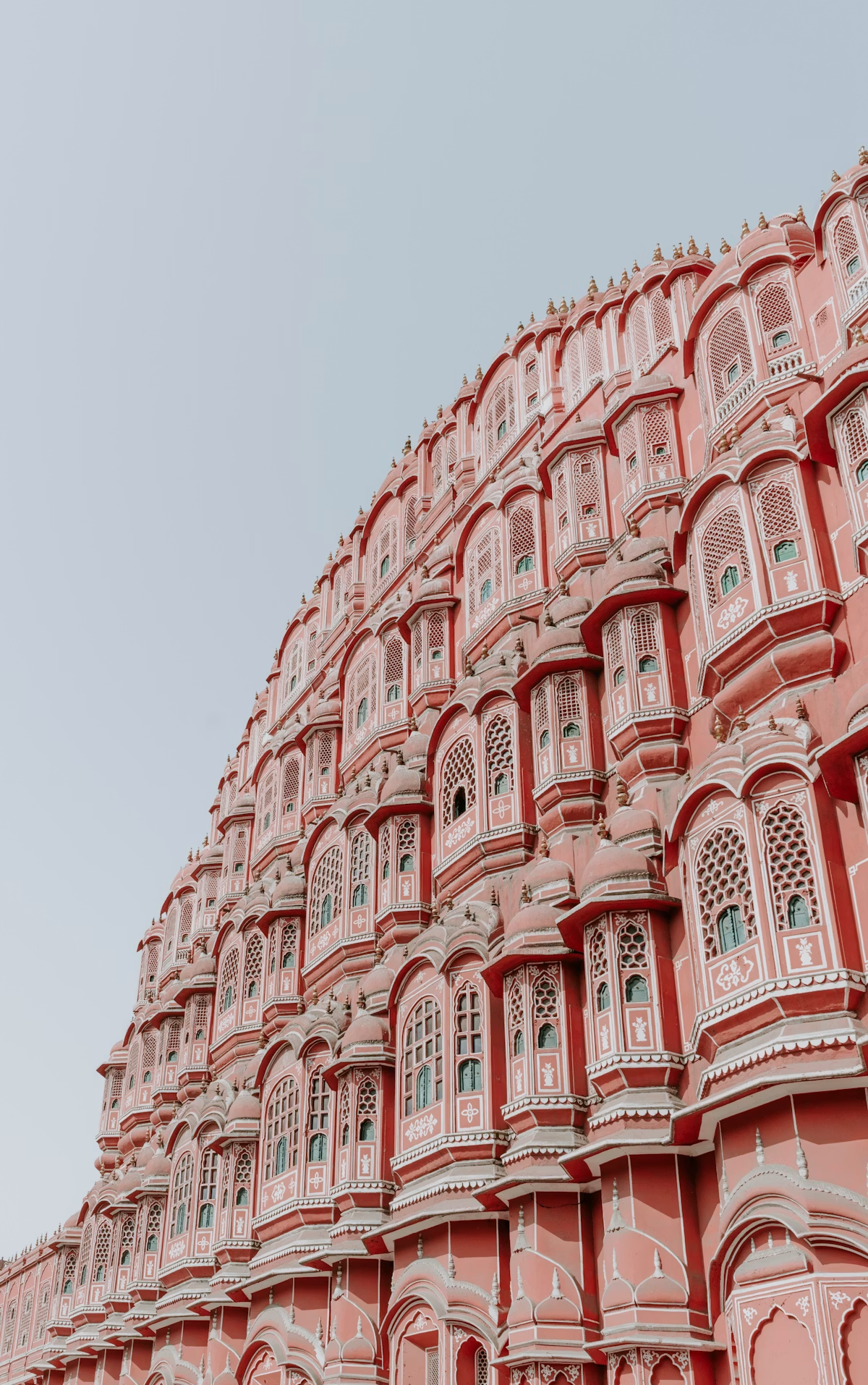
Hawa Mahal, the “Palace of Winds,” is Jaipur’s most photographed landmark — a five-story pink sandstone façade pierced with 953 small windows once used by royal women to observe street life unseen. The building sits directly on the old city’s main bazaar street, and most visitors photograph it from a rooftop café across the road rather than queuing for the modest interior.
The wider Pink City, walled and laid out on a precise grid by Maharaja Jai Singh II in 1727, takes its color from a 19th-century repainting done to welcome a visiting British royal, a tradition the old city has maintained ever since.
Amber Fort
Amber Fort, perched on a hilltop roughly 20 minutes outside the city, is the single most impressive sight in the Jaipur area, with mirrored halls, fortified courtyards, and sweeping views over the surrounding hills and a man-made lake below. Arriving early in the morning avoids both the worst heat and the largest tour groups, and most visitors spend two to three hours exploring the fort’s courtyards and the mirror-walled Sheesh Mahal.
The Bazaars of Jaipur
Johari Bazaar
Jaipur’s historic jewelry market, lined with generations-old gem and gold shops specializing in Rajasthani enamel work.
Bapu Bazaar
A textile-focused market known for block-printed fabrics, juttis (traditional leather shoes), and Rajasthani quilts.
Tripolia Bazaar
A bustling lane for brassware, lacquer bangles, and pottery, busiest in the late afternoon and early evening.
Food in Jaipur
Rajasthani cuisine leans richly spiced and ghee-heavy, shaped historically by the region’s desert climate and limited fresh produce.
- Dal baati churma: Rajasthan’s signature dish — baked wheat balls, lentil curry, and a sweet crumbled wheat dessert, served together. 150–250 INR
- Pyaaz kachori: A flaky, onion-stuffed fried pastry sold from street stalls each morning, a Jaipur breakfast staple
- Lassi: Thick, often saffron-flavored yogurt drinks served in clay cups at old city shops
- Laal maas: A fiery Rajasthani mutton curry, a signature dish at traditional restaurants throughout the city
- Rooftop restaurants: A cluster of cafés near Hawa Mahal serving thalis with direct views of the palace façade
Where to Stay
Budget ($10–$18/night)
Guesthouses and heritage havelis in the old city, walking distance from Hawa Mahal.
Mid-Range ($25–$50/night)
Restored haveli hotels with courtyard architecture — the standard Jaipur travel guide accommodation tier.
Upscale ($70–$200+/night)
Palace hotels and heritage properties, several converted from former royal residences.
Getting Around Jaipur
Walking: The old city’s main bazaars and Hawa Mahal are easily explored on foot, though midday heat can make walking uncomfortable much of the year.
Auto-rickshaws: Inexpensive and widely available for short hops; fares should be negotiated or confirmed before the ride.
Ride-hailing apps: Ola and Uber operate reliably in Jaipur and are the easiest way to reach Amber Fort or the airport.
Daily Budget Breakdown
| Category | Frugal | Comfortable |
|---|---|---|
| Accommodation | 800 INR | 3,500 INR |
| Food | 500 INR | 1,800 INR |
| Transport | 200 INR | 1,000 INR |
| Activities (fort entry, guides) | 300 INR | 2,200 INR |
| Daily Total | ~1,800 INR / $22 | ~8,500 INR / $100 |
Final Verdict: Jaipur Travel Guide 2026
Jaipur rewards a minimum of two full days, since Amber Fort alone deserves a half-day and the Pink City’s bazaars and Hawa Mahal easily fill the rest. The ideal Jaipur travel guide itinerary spends one morning at Amber Fort before the heat sets in, an afternoon around Hawa Mahal and the City Palace, and a second day working through the bazaars for textiles and jewelry. Travelers visiting between April and June should plan most sightseeing for early morning or evening, since midday heat across the Pink City can be genuinely punishing.