
Lake Bled travel guide readers usually expect a pretty lake with a postcard church and instead find one of the most complete Alpine destinations in Europe, a glacial lake in the Julian Alps where a medieval castle clings to a cliff above the water, a baroque church sits on the only natural island in Slovenia, and hiking trails fan out through Julian Alps National Park in every direction. Lake Bled, in the northwest corner of Slovenia roughly 55 kilometers from Ljubljana, has attracted European visitors since the nineteenth century and remains one of the most photographed places on the continent without having lost the small-town character of the surrounding village. This Lake Bled travel guide covers the island church, Bled Castle, hiking trails, the gorge, food, and a full budget breakdown for 2026.
At a Glance
| Country | Slovenia |
| Currency | Euro (EUR) |
| Language | Slovenian; English widely spoken in tourist areas |
| Best time | May–September (warm, clear weather for swimming, hiking, and rowing) |
| Avoid | November–February (cold, grey; lake can freeze but most activities close) |
| Daily budget (frugal) | $65–$90/day |
| Daily budget (comfortable) | $110–$220/day |
| Visa | Visa-free for most Western nationalities for up to 90 days under Schengen rules |
| Getting there | Bus or shuttle from Ljubljana Airport (45 minutes) or Ljubljana city center (1.5 hours); no direct train service to Bled |
| Getting around | Walking around the lake (6km circuit), rental bikes, electric boat taxi to the island |
The Island Church and the Lake Circuit
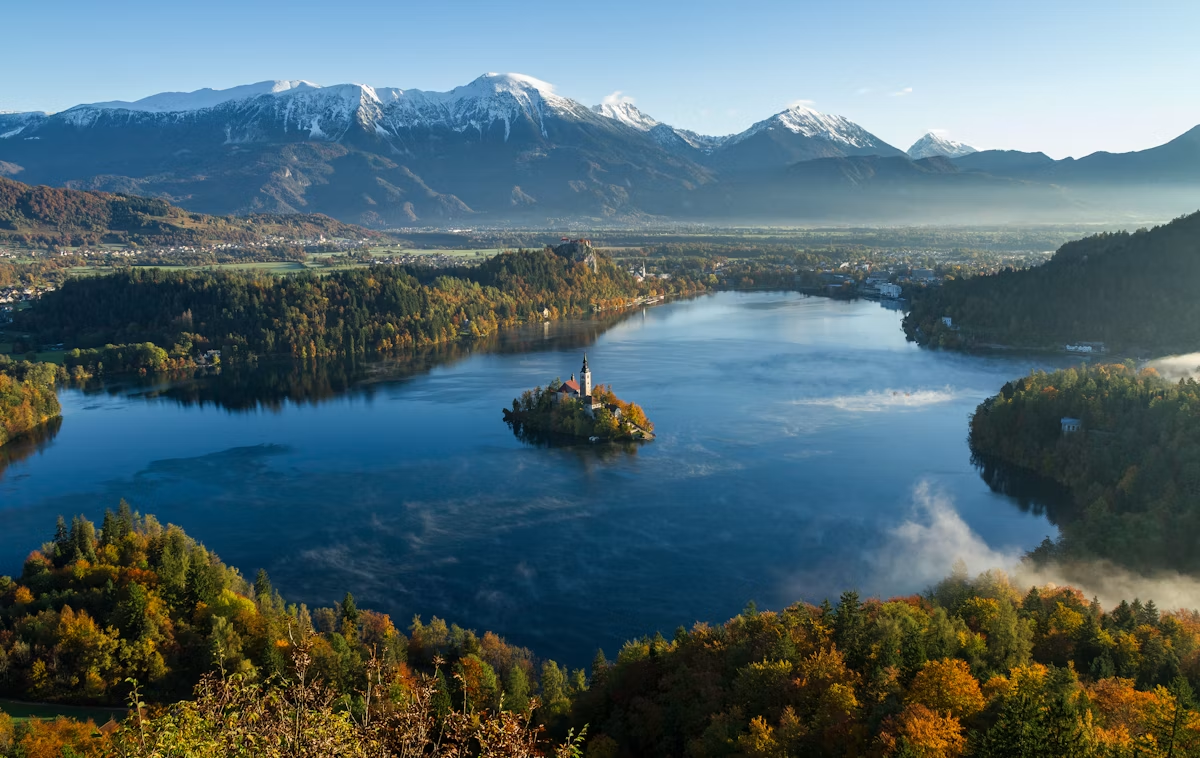
Lake Bled travel guide itineraries almost always begin with the walk around the lake, a flat 6-kilometer circuit that can be completed in under two hours at a leisurely pace and offers the island church — the Church of the Assumption of Mary, reached by traditional wooden rowing boat called a pletna — from every angle as you move around the shore. The walk is best done early morning before tour groups arrive, when the lake surface is glassy and the castle reflection is clearest.
The pletna boat to the island takes about fifteen minutes each way, and a visit includes time to climb the 99 steps to the church entrance and ring the church’s wishing bell, a tradition said to grant wishes to those who ring it.
Bled Castle and the Julian Alps
Bled Castle, built on a rocky cliff 130 meters above the lake, dates from the eleventh century and offers the most photographed aerial view of the island church, lake, and Julian Alps backdrop. The castle museum covers the history of the Bled estate, a small winery and printing press demonstration are open to visitors, and the terrace restaurant serves Slovenian food with a view that is difficult to rival anywhere in the country.
The Vintgar Gorge, a 1.6-kilometer wooden walkway built along the walls of a narrow gorge carved by the Radovna River four kilometers from Bled, offers a full morning of canyon scenery with waterfalls and deep pools for a modest entry fee.
Day Trips and Side Excursions
Vintgar Gorge (4km / 20-minute walk from Bled)
A dramatic river gorge with a wooden walkway, waterfalls, and a deep canyon pool. Best visited early morning before peak hours.
Ljubljana (1 hour by bus)
Slovenia’s capital, with a medieval castle, pedestrian old town, and excellent café culture. A natural day trip from Bled.
Lake Bohinj (30 minutes by bus)
A quieter, larger glacial lake in Triglav National Park, with fewer crowds and better swimming access than Bled.
Food in Lake Bled
Slovenian food blends Central European, Italian, and Balkan influences, with several regional specialties tied specifically to the Bled area.
- Kremna rezina (Bled cream cake): A custard and cream slice between layers of puff pastry, invented at the Park Hotel Bled in 1953 and now the most famous food export of the town. €4–€5 per slice
- Štruklji: Rolled dumplings filled with cottage cheese, tarragon, or walnut, a traditional Slovenian comfort food served sweet or savory
- Jota: A hearty Slovenian soup of sauerkraut, beans, and smoked pork, filling and warming after a long hike
- Slovenian wine: Wines from the Brda (white) and Vipava Valley (red) regions are served throughout Bled’s restaurants alongside local craft beer
- Žganci: Buckwheat porridge cooked in a dry pan and traditionally served with sour milk or sauerkraut, a staple of Slovenian mountain cooking
Where to Stay
Budget (€35–€60/night)
Hostels and family guesthouses on the lake edge and in the village center.
Mid-Range (€90–€160/night)
Hotels with lake or castle views — the standard Lake Bled travel guide accommodation tier.
Upscale (€200–€450+/night)
The Vila Bled (former Yugoslav presidential residence) and Grand Hotel Toplice, both directly on the lake.
Getting Around Lake Bled
Walking: The flat 6km lake circuit is accessible on foot; most sights within town are walkable.
Bike rental: Available in the village; useful for reaching Vintgar Gorge and the lake’s south shore viewpoints.
Pletna boat: Traditional wooden boats operated by local families shuttle visitors to the island. €18 round trip.
Daily Budget Breakdown
| Category | Frugal | Comfortable |
|---|---|---|
| Accommodation | €45 | €130 |
| Food | €22 | €50 |
| Transport (buses and boat) | €10 | €20 |
| Activities (castle, gorge) | €12 | €25 |
| Daily Total | ~€89 / $96 | ~€225 / $242 |
Final Verdict: Lake Bled Travel Guide 2026
Lake Bled rewards two to three days, since the main circuit, castle, island, and gorge can be covered thoroughly in that time without the hurried itinerary of most day-trippers. The ideal Lake Bled travel guide itinerary spends a first morning walking the lake circuit and taking the pletna boat to the island before crowds arrive, an afternoon climbing to the castle for sunset views, a second morning hiking to Vintgar Gorge, and a second afternoon at Lake Bohinj for swimming and the quieter side of the Julian Alps. Travelers should book accommodation two to three months ahead for July and August visits, as Bled fills well beyond its comfortable capacity in peak summer.