
Tulum sits at the intersection of everything that makes Mexico’s Caribbean coast extraordinary — Mayan ruins on cliffs above turquoise water, cenotes hidden in jungle, a beach strip that drew the world’s attention for its bohemian design hotels, and a town scene that has developed rapidly without entirely losing its identity. But Tulum in 2026 requires more careful navigation than the postcard version suggests: the Zona Hotelera has become expensive, the ruins get crowded, and choosing the right cenotes from dozens of options takes prior research. This Tulum travel guide covers the ruins, the cenotes, the two zones of the town, the food scene, where to stay, and how to move around — everything you need to visit Tulum intelligently in 2026.
At a Glance
| Country | Mexico (Quintana Roo) |
| Currency | Mexican Peso (MXN) — ~17 MXN per $1 USD; USD widely accepted |
| Language | Spanish; English spoken in tourist areas |
| Best time to visit | November–April (dry season, 25–30°C) |
| Avoid | July–October (hurricane season; September peak) |
| Daily budget (frugal) | $35–$55/day (Pueblo side) |
| Daily budget (comfortable) | $80–$180/day (Zona Hotelera) |
| Visa | 180-day tourist card (FMM) on arrival for US, EU, UK |
| Getting there | ADO bus from Cancún (2.5 hrs, ~$7) or Playa del Carmen (1 hr, ~$3) |
| Nearest airport | Cancún International (CUN) — 130 km north |
Why This Tulum Travel Guide Begins at the Ruins
The Tulum Archaeological Zone is the non-negotiable starting point for any first visit — a walled Mayan city built between the 13th and 15th centuries on limestone cliffs above the Caribbean Sea. El Castillo, the main pyramid, frames a view of turquoise water that is among the most photographed sites in all of Mexico. The site is compact (walkable in 1.5–2 hours), genuinely dramatic in scale and setting, and fully contextualized with bilingual information boards.
Practical details:
- Entry: MXN 80 ($4.70) + MXN 95 ($5.59) national park fee; parking: MXN 100 ($5.88)
- Hours: 8 AM–5 PM daily (last entry 4:30 PM)
- Crowds peak between 10 AM–2 PM — arrive at opening for the best experience and empty photography angles
- Wear sunscreen and carry water — the site has minimal shade
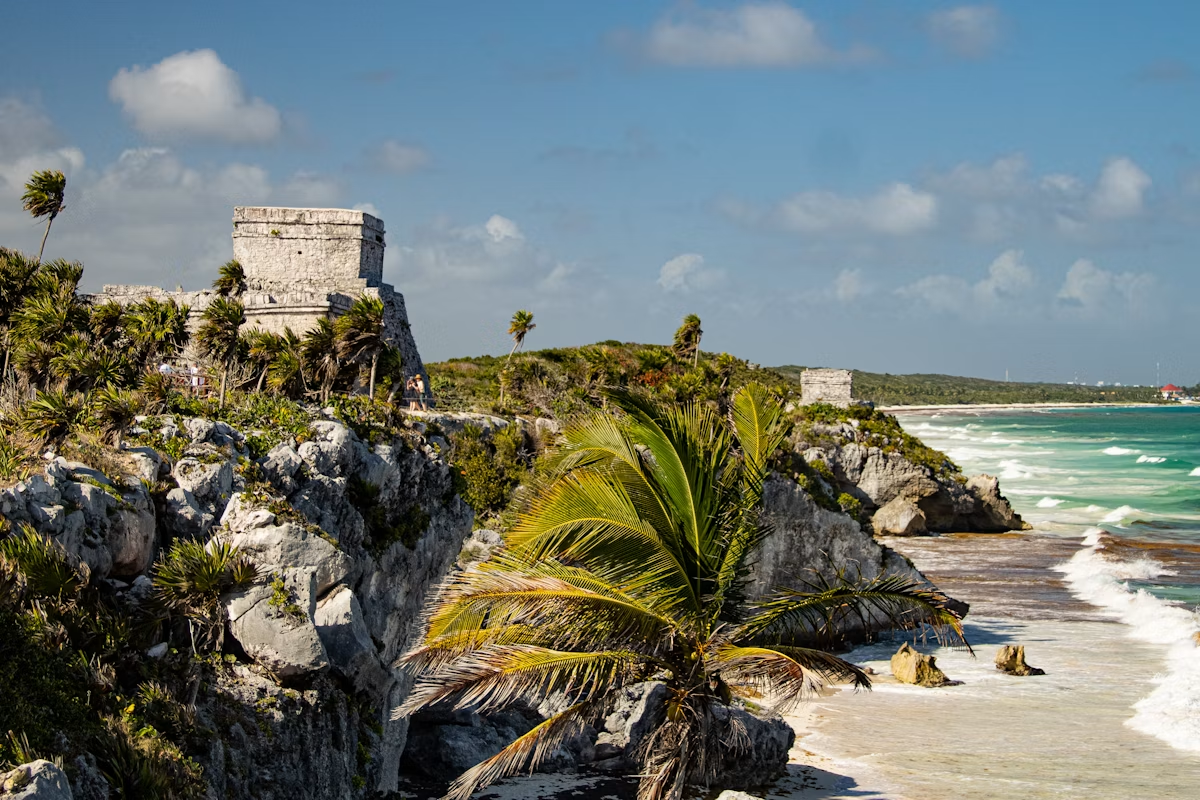
The ruins sit 1.5 km east of Tulum Pueblo’s main road — accessible by bike (15 minutes), colectivo (shared van, ~MXN 15), or taxi (~MXN 80). No timed-entry tickets are currently required, unlike Chichen Itzá, but this Tulum travel guide recommends arriving early regardless of booking system changes.
Cenotes: The Heart of Any Tulum Travel Guide
The Yucatán Peninsula sits above a vast underground river system, and the collapsed sections of its cave roofs create cenotes — natural freshwater sinkholes that range from open jungle pools to cathedral-sized cavern systems. The Tulum area has more cenotes per square kilometer than almost anywhere else in Mexico, and swimming in them is the most memorable single experience this Tulum travel guide can offer.
Best Cenotes Near Tulum
Gran Cenote (4 km from Pueblo): The most accessible and scenic — an open turquoise pool connected to a cavern with stalactites, frequented by freshwater turtles. Entry: MXN 350 ($20.59). Arrive before 9 AM for the best light and smallest crowds.
Cenote Dos Ojos (18 km from Pueblo): Two cave cenotes connected by an underground passage — “dos ojos” (two eyes) refers to the two pools. Entry: MXN 400 ($23.53). Snorkeling equipment rental: MXN 100. One of the most dramatic cave cenote experiences in the Yucatán.
Cenote Cristalino (18 km from Pueblo): A smaller, less-visited open cenote with brilliant blue-green water and jumping platforms. Entry: MXN 180 ($10.59). Excellent for photography.
Casa Cenote / Manatee Cenote (5 km from Pueblo, near the beach): Connected to the sea — brackish water that produces eerie visibility. Free entry (though the adjacent restaurant encourages purchases). One of the more unusual swimming experiences in the area.
Renting a bicycle from Tulum Pueblo (~MXN 200/$11.76 per day) or taking colectivos to the highway access roads are the most practical ways to reach multiple cenotes in a single day.
Tulum’s Two Zones: What This Tulum Travel Guide Calls the Key Decision
Tulum divides into two distinct areas, and where you base yourself fundamentally shapes the experience.
Tulum Pueblo (Town)
The actual town — a grid of streets with local restaurants, bakeries, pharmacies, hostels, and a growing mid-range hotel scene. ADO buses arrive here, colectivos operate from here, and daily life happens here. Staying in the Pueblo puts you 15 minutes by bike from the beach and ruins, but at dramatically lower prices than the Zona Hotelera. Budget accommodation: $20–$60/night. Local meals: MXN 80–150 ($4.70–$8.82).
Zona Hotelera (Hotel Zone)
A 12-km strip of jungle road along the beach — boutique hotels, thatched-roof restaurants, beach clubs, and yoga studios. The design aesthetic here is genuinely distinctive: sustainable architecture, cenote pools, outdoor showers, palm-thatch everything. The tradeoff: road quality is variable (some sections unpaved), infrastructure can be unreliable, and prices are three to five times Pueblo equivalents. Mid-range hotels: $120–$300/night. Dinner at a beach restaurant: $30–$60 per person.
This Tulum travel guide’s recommendation: Stay in the Pueblo for budget and mid-range trips; book Zona Hotelera only for splurge stays where the design aesthetic is part of the experience.
Tulum Food and Drink
Tulum’s food scene has grown dramatically alongside its tourism profile, and the best meals here — fresh Yucatecan cooking and exceptional seafood — are genuinely memorable.
Essential eating:
- Fish tacos: Fresh catch (dorado, tilapia, or snapper) in corn tortillas with avocado and lime. MXN 30–50 each at Pueblo taquerias. The most value-for-money eating in any Tulum travel guide
- Aguachile: Raw shrimp marinated in lime juice with chile, cucumber, and red onion — Mexico’s answer to ceviche. $8–$15 at mid-range restaurants
- Cochinita pibil: Slow-roasted pork in achiote and citrus, wrapped in banana leaf — a Yucatecan staple available at most local restaurants. MXN 80–120
- Ceviches and tostadas: Tulum’s proximity to the sea makes seafood tostadas (MXN 40–80 each) a daily option at any seafood restaurant
- Mezcal: Tulum has a mezcal culture built around small-batch Oaxacan producers. A well-made mezcal cocktail at a Zona Hotelera bar: $12–$18. At a Pueblo mezcal bar: $6–$10
Best areas for food: Avenida Tulum and Satellite streets in the Pueblo for local value; the beach restaurants north of the ruins (closer to Akumal end) for fresh seafood with good price-to-quality ratios.
Day Trips from Tulum
Cobá (45 km northwest)
A larger and less-visited Mayan city where — unlike Chichen Itzá or Tulum — you can still climb the main pyramid (Nohoch Mul, 42 m). The site sits in jungle, connected by elevated stone causeways (sacbés). Entry: MXN 80. Rent a bicycle inside the site (MXN 80) to cover the distances efficiently. An ADO bus runs from Tulum ($3, 45 minutes) or taxis (~$25 one-way).
Sian Ka’an Biosphere Reserve
A UNESCO World Heritage Site covering 528,000 hectares of jungle, mangroves, wetlands, and Caribbean coast immediately south of Tulum. Home to jaguars, tapirs, manatees, and over 300 bird species. Day tours operate from Tulum Pueblo: $60–$100 per person including boat access through the canals and lagoons.
Playa del Carmen (60 km north)
Tulum’s nearest city with reliable ATMs, a large bus station, and the full range of shops and services that Tulum Pueblo lacks. 1 hour by ADO bus ($3).
Getting Around Tulum
Bicycle: The single most practical transport option. Renting a bike from the Pueblo unlocks the ruins, Gran Cenote, and the beach road for $11–$15/day. The Zona Hotelera beach road is 12 km one-way — cycling the full length takes 45–60 minutes.
Colectivos: Shared white vans running north toward Playa del Carmen and south toward Bacalar from the Tulum Pueblo bus terminal. MXN 25–80 depending on distance — the cheapest way to reach cenotes along the highway.
Taxis: Available from designated stands in Pueblo. Set-rate fares apply. Pueblo to ruins: ~MXN 80. Pueblo to Zona Hotelera mid-section: ~MXN 120–180.
Daily Budget Breakdown
| Category | Budget (Pueblo) | Comfortable (Zona Hotelera) |
|---|---|---|
| Accommodation | $25 (hostel/budget guesthouse) | $200 (boutique hotel) |
| Food (3 meals) | $15 | $60 |
| Transport (bike rental) | $12 | $20 |
| Attractions | $10 (ruins + cenote) | $35 |
| Daily Total | ~$62 | ~$315 |
Final Verdict: Tulum Travel Guide 2026
Tulum’s most powerful experiences — El Castillo above the Caribbean, floating in a cathedral cenote, eating fresh fish tacos before the ruins open — cost very little and require no booking. The expensive Zona Hotelera delivers on its aesthetic promise for those who book specific design hotels with intent. The practical core of any Tulum travel guide remains consistent: arrive at the ruins early, rent a bicycle, prioritize Gran Cenote or Dos Ojos, and eat in the Pueblo. Tulum in 2026 is more crowded and more expensive than five years ago, but the fundamental experience — ancient ruins above turquoise sea, limestone swimming holes in the jungle — remains exactly as extraordinary as promised.