
Zanzibar sits 25 kilometers off the Tanzanian coast in the Indian Ocean, an archipelago whose main island — Unguja, commonly just called Zanzibar — combines a UNESCO World Heritage stone city, some of the most consistently turquoise water in East Africa, and a spice-growing interior that gave the island its historical name, the Spice Island. Few destinations compress this much contrast into one place: Stone Town’s narrow alleys carry the layered history of Omani sultans, Indian merchants, Persian traders, and the brutal legacy of the East African slave trade, while a 30-minute drive delivers white sand beaches and water so clear that sandbanks visible from shore look like mirages. This Zanzibar travel guide covers Stone Town, the best beach areas, the spice tour circuit, diving and snorkeling, food, and a complete budget breakdown for a 2026 trip.
At a Glance
| Country | Tanzania |
| Currency | Tanzanian Shilling (TZS) — ~2,600 TZS per $1 USD (USD widely accepted) |
| Language | Swahili; English common in tourist areas |
| Best time | June–October (dry season, peak diving visibility) and late December–February |
| Avoid | March–May (long rains — heavy daily downpours) |
| Daily budget (frugal) | $35–$60/day |
| Daily budget (comfortable) | $90–$200/day |
| Visa | Visa-on-arrival or e-visa for most nationalities, $50, single entry |
| Getting there | Abeid Amani Karume International Airport (ZNZ) — direct flights from Doha, Nairobi, Dar es Salaam, Addis Ababa, and seasonal European routes; or ferry from Dar es Salaam (2 hrs, $35–$50) |
| Getting around | Taxi, dala dala (shared minibus), rental car/scooter, organized transfers |
Stone Town: The Historic Core of Any Zanzibar Travel Guide
Stone Town is the old quarter of Zanzibar City — a UNESCO World Heritage Site since 2000 and the best-preserved Swahili coastal trading town in East Africa. Its architecture layers Arab, Persian, Indian, and European influences into a single dense grid: carved wooden doors studded with brass spikes (originally an Indian defensive design against war elephants, adopted purely for status in Zanzibar), coral-stone buildings, and a labyrinth of alleys narrow enough to block direct sun for most of the day.
Essential Stone Town stops for any Zanzibar travel guide itinerary:
- The House of Wonders (Beit al-Ajaib): The former sultan’s ceremonial palace, the first building in East Africa with electricity and an elevator when built in 1883 — currently under restoration but the exterior and surrounding square remain a central landmark
- The Old Slave Market and Anglican Cathedral: Zanzibar was the largest slave-trading port in East Africa until the 1870s; the site of the former market, now marked by a moving sculpture memorial, sits beside the Anglican cathedral built partly in atonement after abolition. A sober, essential stop in any honest Zanzibar travel guide
- Forodhani Gardens night market: A waterfront food market that activates every evening at sunset — Zanzibari pizza (a stuffed, fried flatbread unrelated to Italian pizza), grilled seafood skewers, sugarcane juice, and the best casual dinner setting in Stone Town
- The Old Fort (Ngome Kongwe): A 17th-century Omani fort near the waterfront, now housing craft shops and an open-air amphitheater — good for sunset views over the harbor
Best Beach Areas
Nungwi (North Tip)
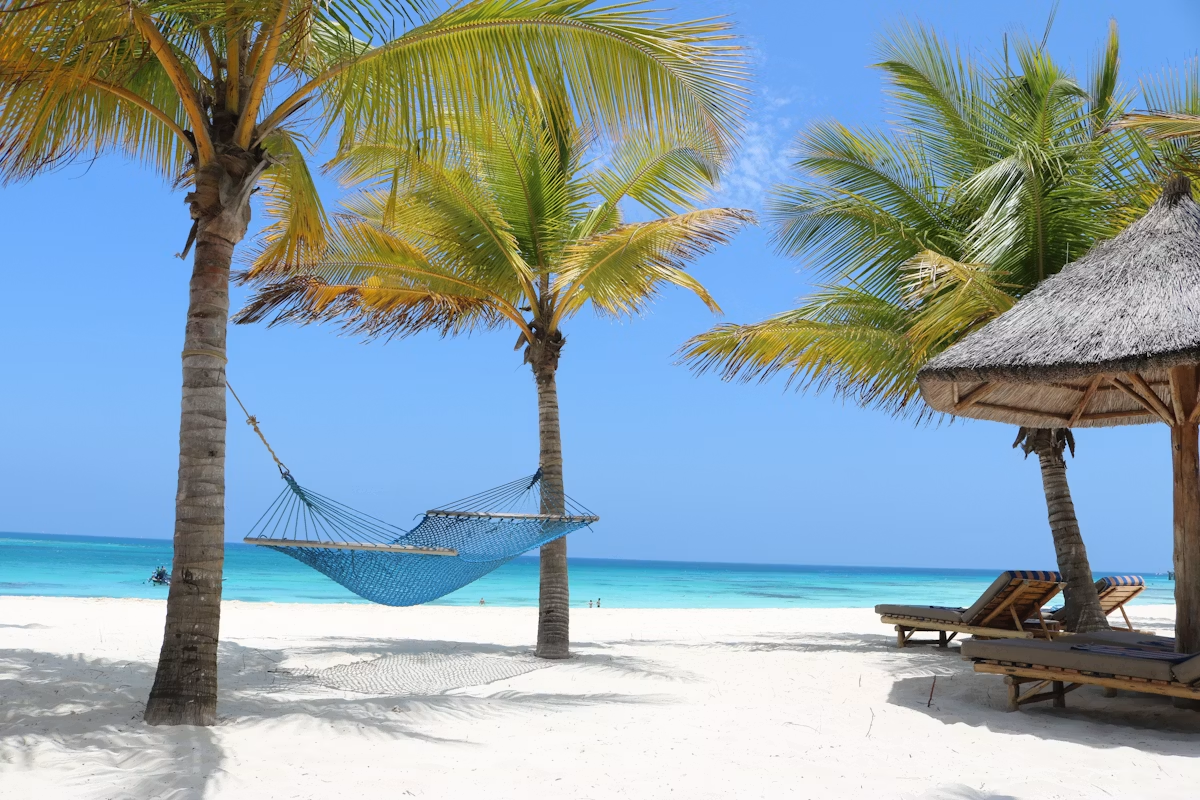
The most developed beach town on the island — minimal tidal swing (unlike the east coast, where low tide can strand swimmers far from the water), a lively sunset-drinks scene, and the highest concentration of dive operators on Zanzibar. The default first stop for most Zanzibar travel guide beach itineraries.
Kendwa (Just South of Nungwi)
Quieter than Nungwi with the same minimal-tide advantage, known for full-moon beach parties and a slightly more relaxed resort scene. A 15-minute taxi from Nungwi.
Paje and Jambiani (Southeast Coast)
The kitesurfing capital of Zanzibar — strong, consistent trade winds from June through October draw a dedicated kitesurf community, with dramatic low-tide flats that expose seaweed farms tended by local women at dawn. Less swimmable at low tide but visually striking and considerably cheaper than the north coast.
Matemwe and Pongwe (Northeast Coast)
The quietest, least developed stretch — closest to Mnemba Atoll’s renowned reef diving, with boutique lodges rather than large resorts. The choice for travelers prioritizing seclusion over nightlife in any Zanzibar travel guide comparison.
Spice Tours
Zanzibar earned the name Spice Island from a 19th-century clove monopoly that, at its peak, supplied most of the world’s clove production. The spice plantations in the island’s interior — particularly around Kizimbani — now run half-day tours where guides walk visitors through working farms growing cloves, nutmeg, cinnamon, black pepper, vanilla, cardamom, and lemongrass, with fresh samples to smell and taste at each stop. Tours typically run $20–$35 per person including a traditional Swahili lunch, and most include a stop at the historic Persian baths at Kidichi.
Diving and Snorkeling
Zanzibar’s reef systems rank among the best in East Africa, anchored by Mnemba Atoll — a private island ringed by a marine conservation area with consistently high visibility, resident green turtles, and frequent dolphin and (seasonally) humpback whale sightings. A day trip to Mnemba for snorkeling or diving runs $60–$120 depending on operator and equipment. The Leven Bank and Hunga Reef near Nungwi offer accessible dive sites for certified divers, with PADI certification courses available from most north-coast dive shops for $400–$550.
Food in Zanzibar
Zanzibari cuisine reflects the island’s trading history — Swahili coastal cooking layered with Omani, Indian, and Persian technique, built around coconut, seafood, and the spices the island is famous for.
- Zanzibari Pizza: Not Italian pizza — a stuffed, folded dough pocket fried on a flat griddle, filled with minced meat, egg, cheese, and vegetables. The signature Forodhani night market dish. 3,000–6,000 TZS ($1.15–$2.30)
- Urojo (Zanzibar Mix): A tangy mango-based soup with potato fritters, boiled cassava, chutney, and a hard-boiled egg — a beloved street food found at most night markets. 2,000–4,000 TZS ($0.75–$1.50)
- Octopus Curry (Pweza wa Nazi): Octopus simmered in coconut milk with local spices — the signature seafood dish of the island, found at both street stalls and upscale restaurants. 8,000–18,000 TZS ($3–$7)
- Biryani: Zanzibar’s Indian-influenced spiced rice dish, usually served with chicken, beef, or fish — a Friday and special-occasion staple across the island
- Fresh Seafood Grills: Red snapper, kingfish, and prawns grilled whole over charcoal at beachfront restaurants and the Forodhani market — among the best value seafood in the entire Zanzibar travel guide circuit
Where to Stay
Budget ($20–$45/night)
Guesthouses in Stone Town or basic beach bungalows in Jambiani and Paje — clean, simple accommodation with fan rooms and shared or private bathrooms.
Mid-Range ($60–$140/night)
Boutique beach lodges in Nungwi, Kendwa, or Matemwe with AC, pools, and breakfast included — the standard Zanzibar travel guide accommodation tier for most international visitors.
Upscale ($200–$500+/night)
Private-island and luxury beachfront resorts, including properties on Mnemba Island itself, with full-board dining and dedicated dive or excursion services.
Getting Around Zanzibar
Taxi and private transfer: The most common mode for visitors — fixed-rate transfers from the airport or Stone Town to beach areas run $25–$50 depending on distance.
Dala Dala: Shared minibuses connecting Stone Town to outlying villages and beach areas — the cheapest option at under $2 per trip, though slower and less direct than private transport.
Rental car or scooter: Self-drive requires a temporary Tanzanian driving permit (arranged easily through rental agencies); gives the most flexibility for exploring multiple beach areas and the spice farm region independently.
Daily Budget Breakdown
| Category | Frugal | Comfortable |
|---|---|---|
| Accommodation | $20 | $90 |
| Food | $10 | $35 |
| Transport | $5 | $20 |
| Activities (spice tour, snorkeling) | $5 | $40 |
| Daily Total | ~$40 | ~$185 |
Final Verdict: Zanzibar Travel Guide 2026
Zanzibar in 2026 remains one of the few places where a UNESCO historic city, world-class reef diving, and genuinely undeveloped beach stretches all sit within a single day’s travel of each other. The honest version of any Zanzibar travel guide should also hold the island’s difficult history — the slave trade legacy in Stone Town deserves real attention, not a rushed stop between beach days. A full visit allows two nights in Stone Town for the old city and spice tour, three or four nights on the north or northeast coast for diving and beach time, and at least one full day at Mnemba Atoll for anyone who dives or snorkels. Visitors chasing the calmest swimmable beaches should prioritize Nungwi or Kendwa over the east coast’s dramatic but tide-dependent flats.