
Da Nang has become Vietnam’s quiet answer to Chiang Mai and Bali — a mid-sized coastal city with a six-kilometer stretch of white sand beach, a fast-growing coworking scene, monthly living costs under $900, and a location that puts Hoi An’s ancient town 30 minutes away and the Ba Na Hills 45 minutes in the other direction. Unlike Ho Chi Minh City’s traffic density or Hanoi’s old-quarter chaos, Da Nang is built on a manageable grid, fronted by My Khe Beach, and crossed by the Han River and its five increasingly photogenic bridges, including the fire-breathing Dragon Bridge. The remote work population here has grown steadily since 2022, drawn by the combination of beach lifestyle, reliable fiber internet, and a cost of living that undercuts almost every coastal city in Southeast Asia. This Da Nang digital nomad guide covers the best neighborhoods, coworking spaces, visa logistics, food, day trips, and a full monthly budget breakdown for 2026.
At a Glance
| Country | Vietnam |
| Currency | Vietnamese Dong (VND) — ~25,000 VND per $1 USD |
| Language | Vietnamese; English common in cafés, coworking spaces, and tourist areas |
| Best time | February–May (dry, warm, pre-monsoon) |
| Avoid | September–November (typhoon and heavy rain season) |
| Monthly budget (frugal) | $600–$850/month |
| Monthly budget (comfortable) | $1,100–$1,800/month |
| Visa | E-visa (90 days, multiple entry) for most nationalities, ~$25; visa-on-arrival also available |
| Internet speed | 80–250 Mbps fiber in most apartments and coworking spaces |
| Getting there | Da Nang International Airport (DAD) — direct flights from Hanoi, Ho Chi Minh City, Singapore, Seoul, and several regional hubs |
Why Da Nang Works for Remote Work
Da Nang occupies a middle position that few Southeast Asian cities manage: large enough to have genuine infrastructure — international schools, hospitals, an airport with direct regional connections — but small enough that a Da Nang digital nomad can cross the entire city by scooter in 20 minutes. The beachfront runs uninterrupted for six kilometers along My Khe and Non Nuoc, and unlike Bali’s Canggu or Thailand’s islands, beach access here doesn’t come with island-hopping logistics or seasonal ferry schedules.
The internet infrastructure is a major factor in the city’s growth as a Da Nang digital nomad base: Vietnam’s national fiber rollout has made 100+ Mbps connections standard in newer apartment buildings, and 4G/5G mobile coverage is dense and inexpensive. Combined with a government that has actively courted foreign investment and a steadily internationalizing food and café scene, Da Nang in 2026 offers an infrastructure-to-cost ratio that is difficult to match elsewhere in the region.
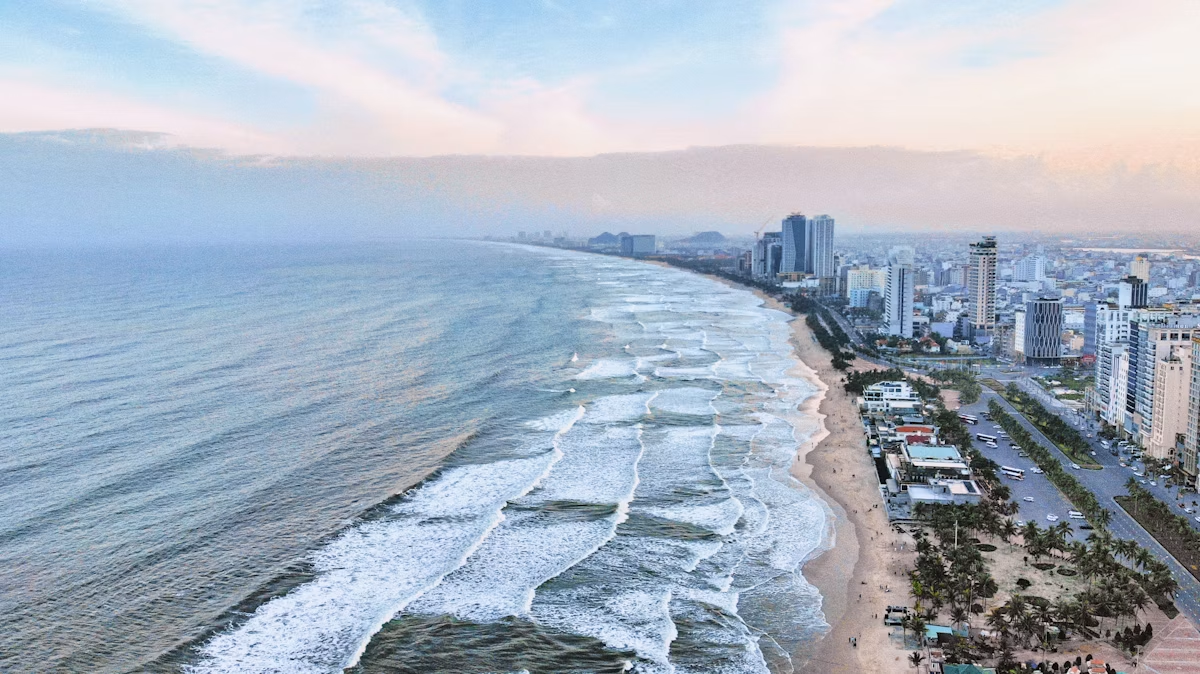
Photo by Thach Tran on Unsplash
Best Neighborhoods for a Da Nang Digital Nomad
An Thuong (Beach Pocket)
The most internationalized neighborhood in the city — a dense grid of streets two blocks back from My Khe Beach, filled with specialty coffee shops, Western and Vietnamese restaurants, yoga studios, and a heavy concentration of long-stay foreign residents. An Thuong is the default starting neighborhood for most Da Nang digital nomad arrivals and the easiest place to find short-term furnished apartments. Rent: $350–$650/month for a one-bedroom.
Han River / City Center
The administrative and business core, on the west bank of the Han River — closer to local markets, hospitals, and the central business district, with river views and walkable access to the Dragon Bridge and Con Market. Slightly less geared toward foreigners than An Thuong but cheaper. Rent: $280–$500/month.
Son Tra Peninsula (North Beach)
The quieter, greener option — backing onto the Son Tra Nature Reserve and the Marble Mountains, with fewer restaurants and cafés but lower rent and direct access to Bai Bac and Bai Rang, two of the cleanest beaches near the city. Best for nomads prioritizing quiet over social density. Rent: $250–$450/month.
Coworking Spaces and Cafés
Da Nang’s coworking scene has matured significantly — DNC Coworking Space and Toong Da Nang are the two most established options, both offering high-speed fiber, meeting rooms, and a built-in community of long-stay remote workers. Monthly memberships run $60–$120. Beyond dedicated coworking, the An Thuong café scene functions as an informal extension of the Da Nang digital nomad workspace network: 43 Factory Coffee Roasters, Cong Caphe, and a growing list of specialty roasters provide reliable Wi-Fi, power outlets, and all-day seating norms that Vietnamese café culture generally tolerates.
Visa and Logistics for a Da Nang Digital Nomad
Vietnam’s e-visa system, expanded to 90 days with multiple entry for most nationalities, has made long-stay remote work considerably simpler than the 30-day single-entry visas of previous years. The e-visa application is processed online in 3–5 business days for approximately $25. Vietnam does not currently offer a dedicated digital nomad visa, so long-term stays beyond 90 days typically involve a border run (commonly to Laos or Cambodia) and a fresh e-visa application, or transitioning to a business or investor visa category through a local sponsor — a path some longer-term Da Nang digital nomad residents pursue once they’ve decided to stay multiple years.
Food in Da Nang
Central Vietnamese cuisine is distinct from both the northern Hanoi and southern Ho Chi Minh City traditions — generally spicier, with a heavier reliance on shrimp paste, and built around a smaller number of intensely refined dishes rather than a broad menu.
- Mi Quang: Da Nang’s signature noodle dish — turmeric-yellow rice noodles in a light, almost dry broth with shrimp, pork, quail egg, peanuts, and rice crackers. The dish every Da Nang digital nomad eventually adopts as a weekly ritual. 25,000–40,000 VND ($1–$1.60)
- Banh Xeo: Crispy turmeric rice-flour pancakes filled with pork, shrimp, and bean sprouts, wrapped in rice paper with herbs and dipped in fermented fish sauce. 30,000–50,000 VND ($1.20–$2)
- Bun Cha Ca: Fish cake noodle soup — a Da Nang specialty using fresh local fish, lighter than the pork-based broths found further north. 25,000–35,000 VND ($1–$1.40)
- Banh Trang Cuon Thit Heo: Grilled pork wrapped in rice paper with herbs, the central coast’s answer to spring rolls — eaten communally at riverside restaurants. 60,000–100,000 VND ($2.40–$4) per portion
- Vietnamese Coffee: Ca phe sua da (iced milk coffee) and the egg coffee variant found in specialty cafés are both inexpensive staples — 20,000–45,000 VND ($0.80–$1.80) at most local and specialty cafés
Day Trips from Da Nang
Hoi An Ancient Town (30 minutes by taxi or scooter)
A UNESCO World Heritage river town of lantern-lit streets, tailor shops, and preserved 18th-century merchant houses — most Da Nang digital nomad residents make repeat trips, particularly for the lantern festival on the 14th of each lunar month.
Ba Na Hills (45 minutes by taxi)
A French colonial-era hill station rebuilt as a mountain resort, home to the Golden Bridge — the hand-shaped bridge structure that became a global photography landmark after opening in 2018. Cable car and entry tickets: ~750,000 VND ($30).
Marble Mountains (20 minutes by scooter)
Five marble and limestone hills with Buddhist sanctuaries, cave pagodas, and panoramic coastal viewpoints — a half-day trip easily combined with a Son Tra Peninsula beach visit.
Where to Stay
Budget ($250–$400/month)
Local-style studio apartments in the Han River area or Son Tra Peninsula, often without dedicated coworking access but with reliable fiber internet.
Mid-Range ($450–$800/month)
Furnished one- and two-bedroom apartments in An Thuong with AC, modern kitchens, and walking distance to the beach and café scene — the standard Da Nang digital nomad accommodation tier.
Getting Around Da Nang
Scooter rental: $40–$60/month for a basic automatic scooter — the default transport mode for almost every Da Nang digital nomad resident, given the city’s manageable size and scooter-friendly road layout.
Grab: Vietnam’s ride-hailing app covers cars, motorbike taxis, and food delivery — cheap and reliable for occasional use or visitors without a scooter.
Walking: An Thuong and the riverside areas are walkable for daily errands, though the city’s spread-out nature makes a scooter the practical long-term choice.
Monthly Budget Breakdown
| Category | Frugal | Comfortable |
|---|---|---|
| Accommodation | $300 | $650 |
| Food | $200 | $450 |
| Coworking / cafés | $40 | $100 |
| Transport (scooter) | $50 | $80 |
| Visa / admin / misc | $60 | $150 |
| Monthly Total | ~$650 | ~$1,430 |
Final Verdict: Da Nang Digital Nomad Guide 2026
Da Nang in 2026 offers a combination that very few cities in Southeast Asia can match — a real beach, a manageable size, fast and inexpensive internet, and a cost of living that allows most remote workers to live comfortably on $1,000–$1,500 per month. It lacks Bali’s spiritual-wellness branding and Chiang Mai’s two-decade nomad infrastructure, but it makes up for both with lower costs, less saturation, and a coastline that neither of those cities can offer within city limits. The ideal Da Nang digital nomad arrival plan is a one-month stay in An Thuong to establish a coworking and café routine, paired with at least two Hoi An visits and one Ba Na Hills day trip — after which most residents either extend through a border run or begin exploring the longer-term visa pathways that an increasing number of foreign residents are pursuing.