
Essaouira sits on Morocco’s Atlantic coast roughly three hours west of Marrakech, a fortified 18th-century port city whose whitewashed, blue-shuttered medina earned UNESCO World Heritage status for its unusual blend of European military architecture and North African urban design. Unlike the heat and intensity of Marrakech’s souks, Essaouira moves at a deliberately slower, breezier pace — the same coastal wind that has frustrated swimmers for centuries has made the city one of the world’s premier windsurfing and kitesurfing destinations. This Essaouira travel guide covers the medina, ramparts, beaches, seafood, day trips, and a full budget breakdown for 2026.
At a Glance
| Country | Morocco |
| Currency | Moroccan Dirham (MAD) — ~10 MAD per $1 USD |
| Language | Arabic, Berber, French; Spanish and English common in tourist areas |
| Best time | April–June and September–October (warm, less wind than peak summer) |
| Avoid | July–August for swimming (strong wind makes beach days choppy, though ideal for windsurfing) |
| Daily budget (frugal) | $25–$40/day |
| Daily budget (comfortable) | $60–$130/day |
| Visa | Visa-free for 90 days for US, UK, Canadian, EU, and most other passport holders |
| Getting there | Essaouira–Mogador Airport (ESU) or a 2.5–3 hour bus/grand taxi from Marrakech |
| Getting around | Walking within the medina, petit taxis for the new town and beach |
The Medina and Ramparts
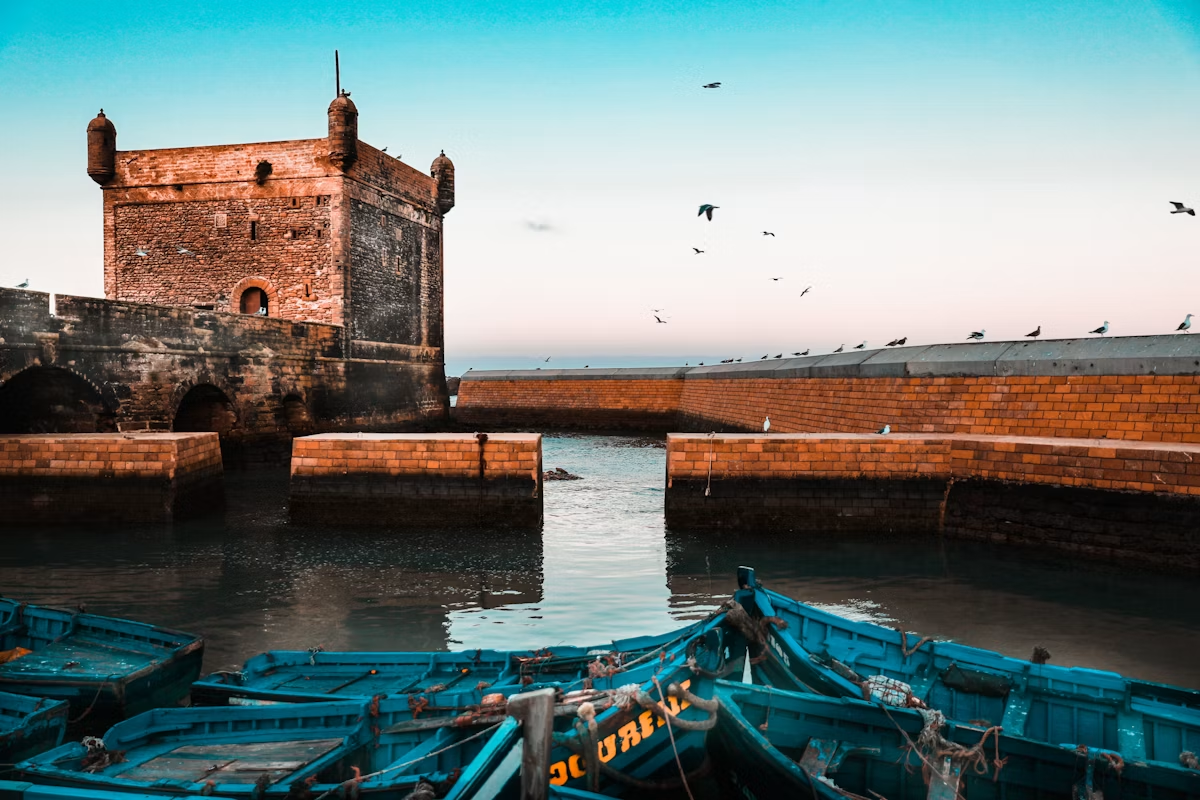
Essaouira’s medina is compact enough to fully explore in a day or two, laid out on a grid far more navigable than Marrakech’s tangled lanes — a deliberate result of the 18th-century French and European military engineers Sultan Mohammed III hired to design the fortified port. The Skala de la Ville, a 200-meter sea-facing rampart lined with brass cannons, remains the city’s signature landmark and a favorite sunset viewpoint for any Essaouira travel guide itinerary.
Inside the walls, the medina mixes a working fishing port with art galleries, wood and silver workshops, and a souk noticeably calmer and less aggressive on tourists than Morocco’s larger imperial cities. Essaouira’s thuya wood marquetry — a craft tradition specific to this region — makes for one of the more distinctive souvenirs available anywhere in the country.
Beaches and Windsurfing
The wind that makes Essaouira’s beaches less ideal for lounging is precisely what built its reputation as one of Africa’s top windsurfing and kitesurfing spots, drawing a dedicated international community of wind-sport travelers year-round. Several schools along the main beach offer lessons and equipment rental from roughly $35–$60 for a half-day session, suitable for complete beginners given the steady, predictable trade winds.
For travelers wanting calmer water, the long beach stretching south toward Sidi Kaouki sees less wind in the morning hours, making early starts the best window for a traditional swim or sunbathe before the afternoon breeze picks up.
Food in Essaouira
As a working fishing port, Essaouira’s food scene leans heavily on the day’s catch, set apart from inland Moroccan cities by genuinely fresh, cheap seafood sold within view of where it landed.
- Grilled fish at the port stalls: Rows of plastic-table stands right at the harbor sell whatever came in that morning, grilled to order — among the best-value meals in Morocco. 40–80 MAD ($4–$8)
- Tagine de poisson (fish tagine): A coastal variation on Morocco’s signature stew, swapping lamb or chicken for white fish, often with chermoula marinade
- Sardines: Essaouira is one of Morocco’s largest sardine ports, and grilled or pan-fried sardines appear on nearly every menu in town
- Mint tea and bakeries: The medina’s bakeries turn out fresh msemen and Moroccan pastries each morning, best paired with the ubiquitous sweet mint tea
- Argan products: The surrounding region produces much of the world’s argan oil, and several medina shops sell genuine cooperative-sourced oil and amlou (an argan-almond spread)
Day Trips from Essaouira
Sidi Kaouki (25 minutes by taxi)
A quieter, even windier beach village south of the city, popular with surfers and travelers seeking a low-key alternative to Essaouira’s more developed beachfront.
Argan Cooperatives (30–45 minutes)
Several women-run argan oil cooperatives outside the city offer short visits demonstrating the traditional hand-pressing process, with on-site purchasing directly supporting the cooperative workers.
Diabat and the Ruined Palace (20 minutes)
A small village near a crumbling 18th-century palace ruin reportedly linked to Jimi Hendrix’s time in Morocco — a minor but atmospheric stop for travelers exploring south of the city.
Where to Stay
Budget ($15–$30/night)
Riads and guesthouses inside the medina walls, often family-run with rooftop terraces — the most common entry point for budget travelers drawn to Essaouira’s compact, walkable core.
Mid-Range ($45–$90/night)
Boutique riads with central courtyards and sea-view rooftops, concentrated near the Skala de la Ville and the main souk streets — the standard Essaouira travel guide accommodation tier.
Upscale ($120–$280+/night)
Beachfront resorts just outside the medina, several with dedicated windsurfing and kitesurfing packages built into the stay.
Getting Around Essaouira
Walking: The medina is small and entirely walkable, with most sights reachable within a 10–15 minute walk of each other.
Petit taxis: Inexpensive and necessary for reaching the new town, the airport, or beach areas south of the medina — fares should be agreed before departure or confirmed are metered.
Grand taxis and buses: Shared grand taxis and CTM buses connect Essaouira to Marrakech and other regional cities, typically taking 2.5–3 hours.
Daily Budget Breakdown
| Category | Frugal | Comfortable |
|---|---|---|
| Accommodation | $14 | $55 |
| Food | $7 | $25 |
| Transport | $2 | $10 |
| Activities (windsurfing, tours) | $5 | $25 |
| Daily Total | ~$28 | ~$115 |
Final Verdict: Essaouira Travel Guide 2026
Essaouira offers a genuinely different register of Moroccan travel — calmer, breezier, and built around the Atlantic rather than the desert — making it one of the easiest two-to-three-day add-ons to a Marrakech itinerary. The ideal Essaouira travel guide plan runs two to three days: one day exploring the medina and ramparts at a relaxed pace, a half-day or full-day windsurfing lesson for travelers curious about the sport, and a final morning trip to an argan cooperative or Sidi Kaouki before heading back inland. Visitors should pack a windbreaker even in warmer months, since the coastal breeze that defines the city rarely fully dies down.