
Luang Prabang sits at the confluence of the Mekong and Nam Khan rivers in northern Laos, a former royal capital so thoroughly preserved that the entire old town earned UNESCO World Heritage status in 1995 — more than 30 gilded Buddhist temples packed into a small peninsula, alongside French colonial shophouses left largely untouched since Laos gained independence. Unlike the more frenetic tourist circuits of neighboring Thailand and Vietnam, Luang Prabang has kept a deliberately slower pace, helped by strict building-height restrictions and a near-total absence of large chain hotels in the historic core. This Luang Prabang travel guide covers the temples, the dawn alms-giving ceremony, waterfalls, the night market, day trips, and a full budget breakdown for 2026.
At a Glance
| Country | Laos |
| Currency | Lao Kip (LAK) — ~21,000 LAK per $1 USD (USD and Thai Baht also widely accepted) |
| Language | Lao; French and English common in tourist areas |
| Best time | November–February (cool, dry season) |
| Avoid | March–April (hot season, regional haze from agricultural burning) |
| Daily budget (frugal) | $25–$40/day |
| Daily budget (comfortable) | $60–$130/day |
| Visa | Visa-on-arrival for most nationalities, $30–$42 depending on passport, 30-day validity |
| Getting there | Luang Prabang International Airport (LPQ) — direct flights from Bangkok, Hanoi, Siem Reap, and other regional hubs |
| Getting around | Walking, bicycle rental, tuk-tuk for outlying sites |
Temples of the Old Town
The old town’s temple density is the highest of any city in Laos, with Wat Xieng Thong standing as the most important — a royal temple built in 1560 featuring a sweeping, low-swept roofline distinctive to Luang Prabang’s temple architecture and an elaborate “tree of life” mosaic on its rear wall made from colored glass. Wat Mai, with its ornate gilded relief depicting scenes from the Buddha’s life, sits prominently on the main street and is among the most photographed temples in the city.
Climbing Mount Phousi, a 100-meter hill at the center of the peninsula, delivers a panoramic sunset view over the Mekong and the surrounding hills — the single most popular late-afternoon activity in any Luang Prabang travel guide itinerary, with a small temple and golden stupa at the summit.
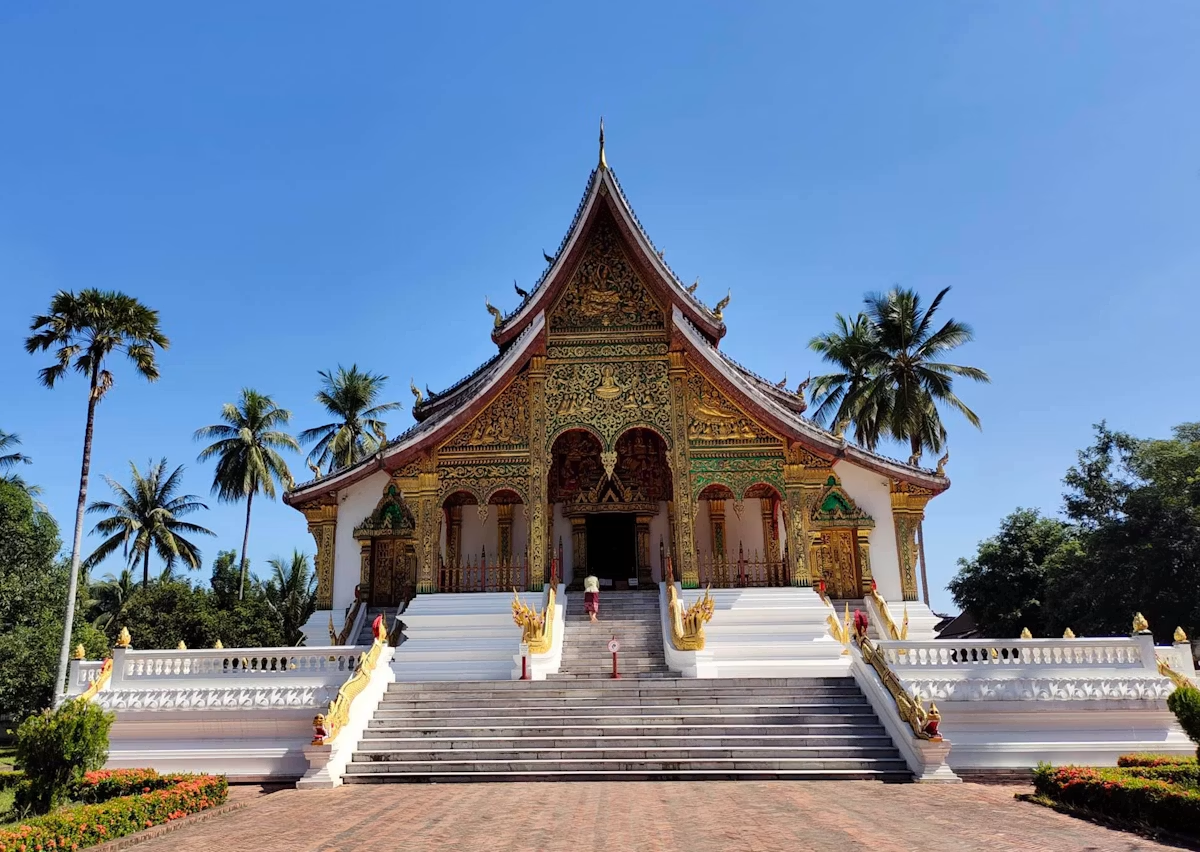
Photo by Life on the road on Unsplash
The Alms-Giving Ceremony
Every morning at dawn, hundreds of saffron-robed monks process silently through the old town’s streets to receive alms — typically sticky rice — from kneeling residents and visitors, a centuries-old Buddhist tradition that remains genuinely active rather than staged for tourism, though increasing visitor numbers have made respectful participation more important than ever.
Etiquette notes for any Luang Prabang travel guide visitor: Dress modestly, kneel rather than stand when offering alms, avoid flash photography or standing directly in the monks’ path, and buy rice from local vendors away from the main viewing strip rather than from sellers who target tourists directly at the ceremony route.
Kuang Si Falls and Other Waterfalls
Kuang Si Falls, roughly 30 km south of the city, is northern Laos’s most famous natural attraction — a multi-tiered turquoise waterfall cascading through limestone pools that are open for swimming, with a rescued sun bear sanctuary at the entrance run by Free the Bears. Entry costs 20,000 LAK ($0.95) and a round-trip tuk-tuk runs $5–$10 per person when shared. Tat Sae Falls, closer to the city and reachable partly by boat, offers a quieter, less crowded alternative with similar turquoise pools.
Food in Luang Prabang
Lao cuisine is distinct from its more internationally known neighbors — heavier on bitter and herbal flavors, with sticky rice as the staple starch rather than jasmine rice.
- Laap (Larb): Minced meat or fish salad with lime, herbs, and toasted rice powder — widely considered Laos’s national dish. 25,000–40,000 LAK ($1.20–$1.90)
- Or Lam: A rustic Luang Prabang stew of buffalo meat, eggplant, and a distinctive bitter wood called “sakhan” — specific enough to the region that few restaurants outside northern Laos prepare it authentically
- Khao Soi (Luang Prabang style): Not to be confused with the Thai curry noodle dish of the same name — the Lao version is a tomato-based minced-pork noodle soup, a breakfast staple around the old town
- Luang Prabang night market food stalls: A long row of cheap, made-to-order Lao dishes and grilled skewers behind the main handicraft market — among the best-value meals in the city. 10,000–20,000 LAK ($0.50–$0.95)
- Lao coffee: Grown in the southern Bolaven Plateau but served strong and sweet with condensed milk throughout Luang Prabang’s cafés
Day Trips from Luang Prabang
Pak Ou Caves (1–2 hours by boat)
Two limestone caves along the Mekong filled with thousands of small Buddha statues left by pilgrims over centuries — a scenic half-day river trip typically combined with a stop at a traditional weaving or distilling village along the way.
Nong Khiaw (3–4 hours by minivan)
A dramatic riverside town surrounded by limestone karsts, increasingly popular as an overnight extension for travelers seeking trekking and a quieter base than Luang Prabang itself.
Pak Beng / Mekong Slow Boat (multi-day)
The starting point for the classic two-day slow boat journey along the Mekong toward the Thai border — less a single day trip than a full alternate route out of northern Laos, but worth planning around for travelers continuing overland.
Where to Stay
Budget ($10–$25/night)
Guesthouses just outside the old town’s protected core, where building restrictions keep prices in the historic center comparatively higher.
Mid-Range ($40–$80/night)
Boutique hotels in restored French colonial shophouses within the old town — the standard Luang Prabang travel guide accommodation tier, and the best balance of atmosphere and walkability.
Upscale ($120–$300+/night)
Riverside resorts along the Mekong or Nam Khan, several built around restored colonial estates with private pools and direct river access.
Getting Around Luang Prabang
Walking: The old town peninsula is small enough to cross on foot in under 20 minutes, making walking the default way to see the temples and night market.
Bicycle rental: Widely available and ideal for reaching slightly outlying temples or the riverside roads, typically $2–$4/day.
Tuk-tuk: Necessary for Kuang Si Falls, the airport, and other sites beyond comfortable walking or cycling range — fares should be negotiated before departure.
Daily Budget Breakdown
| Category | Frugal | Comfortable |
|---|---|---|
| Accommodation | $12 | $55 |
| Food | $8 | $25 |
| Transport | $3 | $12 |
| Activities (waterfalls, caves, tours) | $5 | $20 |
| Daily Total | ~$28 | ~$112 |
Final Verdict: Luang Prabang Travel Guide 2026
Luang Prabang remains one of Southeast Asia’s most successfully preserved historic cities, and its restrictions on development — however inconvenient for budget accommodation supply — are precisely why the old town hasn’t gone the way of more overrun heritage sites elsewhere in the region. The ideal Luang Prabang travel guide itinerary runs three to four days: one early morning for the alms-giving ceremony followed by a temple-focused day around Wat Xieng Thong and Mount Phousi, a full day trip to Kuang Si Falls, and a half-day Mekong boat trip to the Pak Ou Caves. Visitors should set an alarm before sunrise at least once for the alms ceremony, but treat it with the same quiet respect any active religious practice deserves rather than as a photo opportunity staged for visitors.