
Vang Vieng travel guide readers usually picture the old backpacker tubing-bar scene, but the town reinvented itself years ago into one of Southeast Asia’s most scenic adventure-sports bases, ringed by limestone karst peaks rising straight out of rice paddies along the Nam Song River. Laos’s outdoor-activity capital now draws travelers for hot-air balloon flights over the karsts, blue lagoon swimming holes, and cave systems carved deep into the surrounding mountains, all reachable on a rented scooter within twenty minutes of town. This Vang Vieng travel guide covers river tubing, the blue lagoons, caves, food, and a full budget breakdown for 2026.
At a Glance
| Country | Laos |
| Currency | Lao Kip (LAK) |
| Language | Lao; English common at tourist businesses |
| Best time | November–February (cool, dry, clear karst views) |
| Avoid | July–September (heavy rains, murky river, flooded caves) |
| Daily budget (frugal) | $15–$25/day |
| Daily budget (comfortable) | $30–$70/day |
| Visa | Visa on arrival for most nationalities, 30 days |
| Getting there | Vang Vieng has a small domestic airport; most travelers arrive by bus or new high-speed rail from Vientiane (1 hour) or Luang Prabang |
| Getting around | Rented scooters, bicycles, walking within town |
River Tubing on the Nam Song
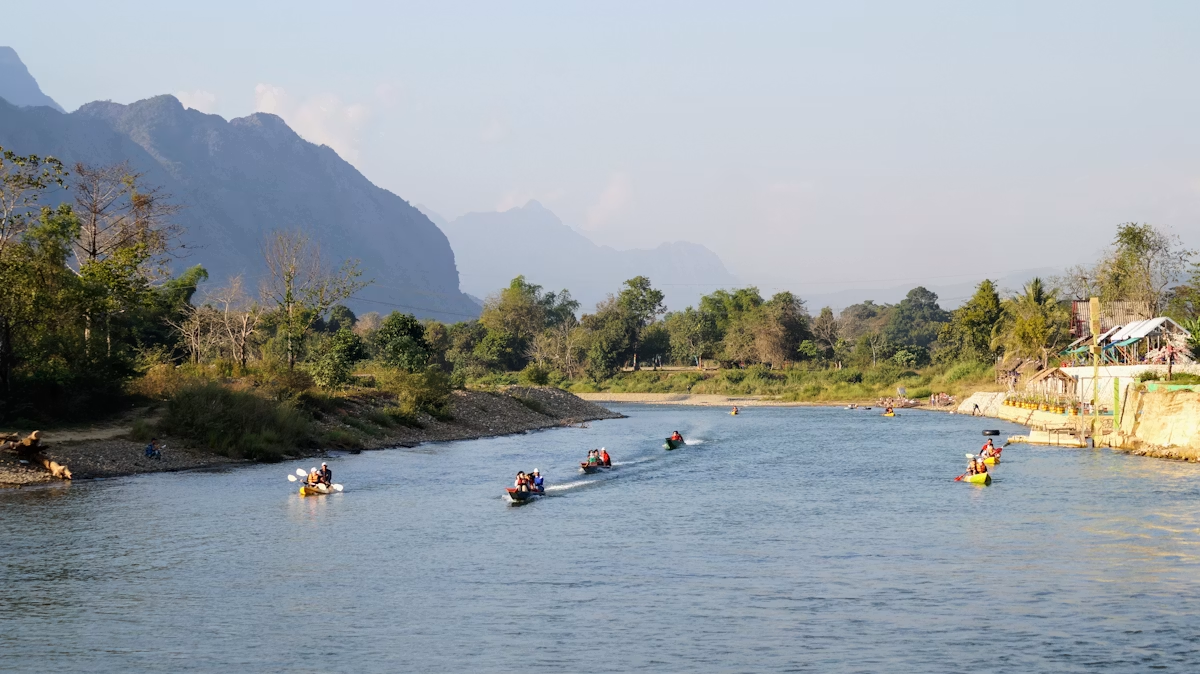
River tubing remains Vang Vieng’s signature activity, though the rowdy bar-to-bar version that once defined the town has given way to a calmer, more scenic float past karst cliffs and riverside farms. Tubes are rented at a riverside stand near the old bridge, and most trips run two to three hours depending on the current and how many stops travelers make along the way.
The karst backdrop is what separates Vang Vieng from any other river float in the region — jagged limestone peaks rise directly from the riverbanks on both sides, turning a simple tube ride into one of the most photogenic two hours in Laos.
Blue Lagoons and Karst Caves
A cluster of numbered “blue lagoons” sits scattered across the rice paddies and forest outside town, each a turquoise swimming hole fed by underground springs, with rope swings and overhanging trees for jumping. Blue Lagoon 1 is the most developed and crowded; travelers seeking a quieter swim usually push on to Lagoon 3 or one of the lesser-visited numbered pools further from the main road.
Many of the same outings combine a lagoon stop with one of the area’s karst caves, where guides lead visitors with headlamps through chambers lined with stalactites, some requiring a short swim or scramble to reach the deepest sections.
Day Trips and Activities Around Vang Vieng
Hot-air balloon flights (sunrise daily, weather permitting)
A sunrise flight over the karst valley has become one of the most-photographed experiences in Laos, with operators launching from fields just outside town.
Pha Ngern Viewpoint (20-minute uphill walk)
A short, steep hike rewarding climbers with a panoramic sunset view over the entire karst valley and the Nam Song below.
Organ Cave and Elephant Cave (15–20 minutes by scooter)
Two of the more accessible caves near town, both reachable without a guide and offering a gentler introduction to the area’s karst cave systems.
Food in Vang Vieng
Vang Vieng’s food scene mixes traditional Lao dishes with the backpacker-cafe staples that became common as the town’s tourism grew.
- Laap: Lao’s national dish — minced meat or fish tossed with herbs, lime, and toasted rice powder. 25,000–40,000 LAK
- Sticky rice and grilled meats: Sold at riverside stalls and night-market stands throughout the town center
- Riverside restaurants: A strip of open-air terraces along the Nam Song serving Lao and Western menus with direct karst views
- Fruit shakes: Blended with fresh local fruit and sold at nearly every café along the main street
- Lao coffee: Strong, often served with condensed milk, grown in the nearby Bolaven Plateau highlands
Where to Stay
Budget ($5–$12/night)
Hostels and guesthouses in the town center, walking distance from the tubing put-in point.
Mid-Range ($18–$35/night)
Riverside bungalows and boutique guesthouses with karst views — the standard Vang Vieng travel guide accommodation tier.
Upscale ($45–$100+/night)
A small number of resort-style properties set further from town with private balconies facing the karst peaks.
Getting Around Vang Vieng
Scooters: The most common way to reach the lagoons and caves; rentals are widely available in town and require an international driving permit in theory, though enforcement varies.
Bicycles: A slower but scenic alternative for reaching nearer attractions like Organ Cave.
Walking: The town center itself, including the tubing put-in and main street, is fully walkable.
Daily Budget Breakdown
| Category | Frugal | Comfortable |
|---|---|---|
| Accommodation | 80,000 LAK | 350,000 LAK |
| Food | 60,000 LAK | 180,000 LAK |
| Transport (scooter rental) | 40,000 LAK | 80,000 LAK |
| Activities (tubing, caves, lagoons) | 50,000 LAK | 250,000 LAK |
| Daily Total | ~230,000 LAK / $11 | ~860,000 LAK / $40 |
Final Verdict: Vang Vieng Travel Guide 2026
Vang Vieng rewards two to three days rather than the rushed overnight stop many travelers plan, since tubing, the lagoons, and at least one cave or hike each deserve their own half-day. The ideal Vang Vieng travel guide itinerary spends one day on the river and a nearby lagoon, a second day exploring caves or hiking to Pha Ngern Viewpoint for sunset, and an optional sunrise balloon flight if budget and weather allow. Travelers visiting in the rainy season should check tubing and cave conditions locally first, since heavy rain can make both unsafe for a day or two at a time.