
Yangon travel guide readers usually expect a transit stop on the way to Bagan or Inle Lake and end up extending their stay once they see Southeast Asia’s largest collection of British colonial architecture standing largely intact downtown. Myanmar’s former capital combines crumbling colonial-era buildings still in everyday use, the gold-spired Shwedagon Pagoda, and a street food scene that remains far less discovered than neighboring Thailand or Vietnam. This Yangon travel guide covers downtown’s colonial core, Shwedagon Pagoda, food, getting around, and a full budget breakdown for 2026.
At a Glance
| Country | Myanmar |
| Currency | Myanmar Kyat (MMK) |
| Language | Burmese; English limited outside tourist hotels |
| Best time | November–February (dry season, cooler temperatures) |
| Avoid | June–September (monsoon season, heavy rain and flooding) |
| Daily budget (frugal) | $20–$32/day |
| Daily budget (comfortable) | $40–$90/day |
| Visa | E-visa required for most nationalities, arranged in advance |
| Getting there | Yangon International Airport (RGN), 30–45 minutes from downtown |
| Getting around | Walking, taxis, ride-hailing apps (Grab) |
The Colonial Downtown
Downtown Yangon holds one of the largest surviving collections of British colonial architecture in Asia, with stately former government buildings, banks, and trading houses lining streets like Pansodan and Merchant Road, many still occupied rather than restored into museums. The old Secretariat building, where independence leader Aung San was assassinated in 1947, anchors the historic core, while Sule Pagoda, a gilded stupa sitting at the literal center of downtown’s street grid, gives the colonial district an unusual landmark few other Southeast Asian capitals can match.
Walking the riverside near Strand Road in late afternoon, as ferries cross the Yangon River and the colonial facades catch the light, remains one of the city’s most rewarding free activities.
Shwedagon Pagoda
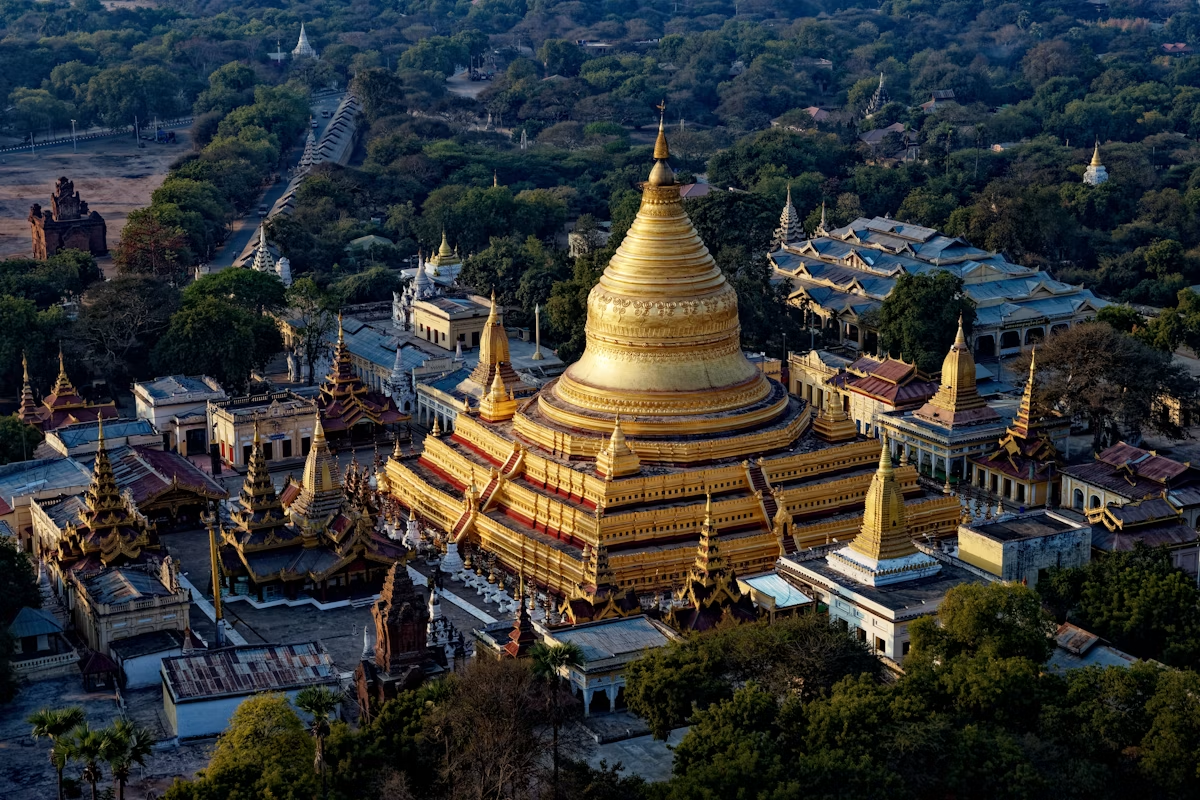
Shwedagon Pagoda, a 99-meter gold-plated stupa visible from much of the city, is widely considered Myanmar’s most sacred Buddhist site and easily the country’s most striking single landmark. Visiting at sunset, when the gold catches the fading light and the marble terraces fill with local worshippers circling the stupa, gives a far more atmospheric experience than a midday visit, and most travelers spend an hour or more simply walking the perimeter.
Food in Yangon
Burmese cuisine blends influences from India, China, and Thailand into a distinct street food culture still largely untouched by international chains.
- Mohinga: Myanmar’s national breakfast dish — a fish-based noodle soup sold from street carts each morning. 800–1,200 MMK
- Tea shops: Yangon’s ubiquitous tea shops serve sweet milk tea alongside Indian-influenced snacks and function as informal social hubs throughout the day
- 19th Street night market: A Chinatown street lined with barbecue stalls and plastic-stool seating, popular with both locals and travelers after dark
- Shan noodles: A tangy, peanut-topped noodle dish from Myanmar’s Shan State, widely available in downtown Yangon
- Fresh fruit and juice stands: Downtown sidewalks fill with vendors selling cut fruit and fresh juice, a cheap and reliable way to cool down
Where to Stay
Budget ($10–$20/night)
Guesthouses and budget hotels in downtown, an easy walk from Sule Pagoda and the colonial core.
Mid-Range ($25–$50/night)
Restored colonial-era hotels and modern mid-range chains downtown — the standard Yangon travel guide accommodation tier.
Upscale ($70–$150+/night)
Riverside hotels and a small number of luxury properties near Shwedagon Pagoda.
Getting Around Yangon
Walking: Downtown’s colonial core is compact and walkable, with most sights reachable within a 20-minute walk of Sule Pagoda.
Ride-hailing apps: Grab operates reliably in Yangon and is the easiest way to reach Shwedagon Pagoda or the airport.
Taxis: Plentiful and inexpensive, though fares should be negotiated or confirmed before the ride since many lack meters.
Daily Budget Breakdown
| Category | Frugal | Comfortable |
|---|---|---|
| Accommodation | $7 | $35 |
| Food | $6 | $20 |
| Transport | $3 | $10 |
| Activities (pagoda donations, tours) | $4 | $25 |
| Daily Total | ~$20 | ~$90 |
Final Verdict: Yangon Travel Guide 2026
Yangon rewards travelers who treat it as a two-to-three-day stop rather than a same-day layover, since the colonial downtown and Shwedagon Pagoda together take longer to appreciate than most itineraries allow. The ideal Yangon travel guide itinerary spends one day walking the colonial core and riverside, and a second day centered on Shwedagon Pagoda timed for sunset, with tea shop stops built in throughout. Travelers should check current entry requirements and on-the-ground conditions before booking, since Myanmar’s travel situation has shifted at times in recent years.