
Antigua Guatemala is a UNESCO World Heritage colonial city ringed by three volcanoes, sitting at 1,530 meters in Guatemala’s central highlands roughly 45 minutes from the capital. Founded in 1543 as the capital of the Captaincy General of Guatemala, the city was largely destroyed by the 1773 Santa Marta earthquake and never fully rebuilt — the result, today, is a town defined as much by its ruined baroque churches and collapsed monasteries as by its intact colonial architecture, cobblestone streets, and pastel-painted facades. Antigua also sits at the heart of one of the world’s most respected coffee-growing regions and functions as the base camp for climbing Acatenango and Pacaya, two of Guatemala’s most-visited volcanoes. This Antigua Guatemala travel guide covers the historic center, the ruins, volcano hikes, coffee tours, day trips, and a full budget breakdown for 2026.
At a Glance
| Country | Guatemala |
| Currency | Guatemalan Quetzal (GTQ) — ~7.8 GTQ per $1 USD (USD widely accepted) |
| Language | Spanish; English common in tourist-oriented businesses |
| Best time | November–April (dry season) |
| Avoid | May–October (rainy season, frequent afternoon downpours) |
| Daily budget (frugal) | $30–$50/day |
| Daily budget (comfortable) | $75–$160/day |
| Visa | Visa-free for 90 days for US, UK, Canadian, and most EU passport holders |
| Getting there | La Aurora International Airport (GUA) in Guatemala City — 45–60 minute taxi or shuttle to Antigua |
| Getting around | Walking, tuk-tuk, shuttle vans for day trips |
Antigua’s Historic Center and Ruins
The Parque Central anchors the city — a colonial plaza surrounded by the Cathedral of San José (itself partially ruined and partially restored after multiple earthquakes), the Palace of the Captains General, and the city hall, all built in the low, thick-walled Spanish colonial style designed to survive seismic activity that, repeatedly, it did not fully withstand.
Essential ruins for any Antigua Guatemala travel guide itinerary:
- Santa Catalina Arch: The single most photographed structure in the city — a yellow stucco arch spanning Calle del Arco, originally built so cloistered nuns could cross between buildings without being seen from the street, with the Volcán de Agua framed perfectly behind it
- Ruins of La Recolección: One of the most dramatic earthquake ruins in the city — a former monastery whose collapsed nave and scattered stone blocks have been left largely as the 1773 earthquake left them, creating an almost otherworldly atmosphere
- Convento de las Capuchinas: A well-preserved former convent with a distinctive circular tower of nuns’ cells (the Torre de Retiro) built around a central patio — one of the best-maintained ruin complexes in the city
- Iglesia de San Francisco: A working church built around the ruins of a much larger original structure, also home to the tomb of Hermano Pedro, Central America’s first saint, still visited by pilgrims today
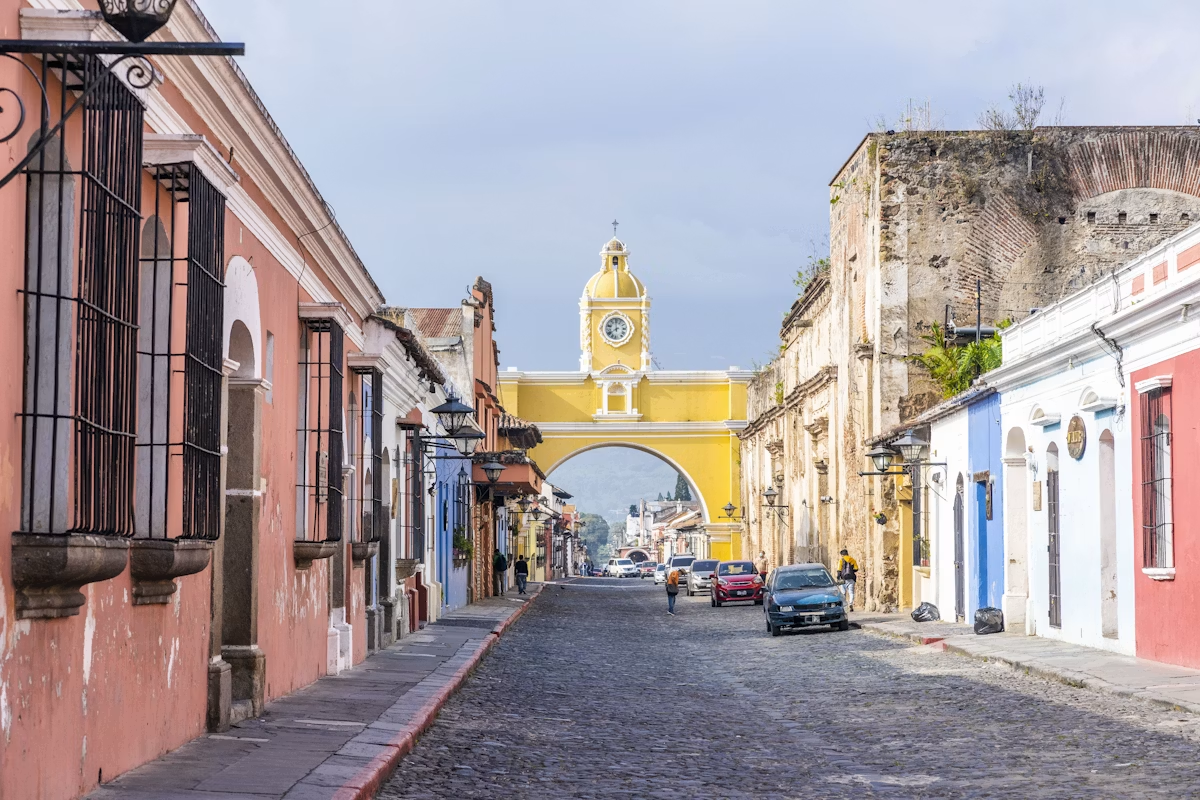
Photo by Rodrigo Escalante on Unsplash
Volcano Hikes from Antigua
Acatenango (Overnight, Most Popular)
A grueling but spectacular overnight hike to a base camp at roughly 3,700 meters, where hikers camp within direct view of Volcán de Fuego — one of Central America’s most consistently active volcanoes, which erupts with visible lava flows and ash plumes through the night. Tours run $35–$60 including gear rental, guide, and camp meals; this is the single most-booked activity in any Antigua Guatemala travel guide itinerary.
Pacaya (Half-Day)
A far easier hike to an active volcano with recent lava fields still warm enough in places to roast marshmallows — a popular half-day trip for travelers without the time or fitness for Acatenango’s overnight trek. Tours run $15–$25.
Volcán de Agua (Full-Day, Strenuous)
A dormant volcano directly overlooking Antigua, climbable as a long full-day round trip with sweeping views back over the city and surrounding highlands — less commercialized than Acatenango or Pacaya and typically arranged with a private guide rather than a group tour operator.
Coffee Tours
The volcanic soil and high elevation around Antigua produce some of the most highly regarded coffee in the world, and the region’s coffee fincas (estates) run tours covering the full process from cherry to cup. Finca Filadelfia and Finca La Azotea, both a short drive from the city center, offer guided tours through working plantations with tastings included for $15–$25 — a genuinely educational stop rather than a tourist formality, given Guatemala’s standing as one of the world’s top specialty coffee origins.
Food in Antigua
Guatemalan cuisine blends Maya and Spanish colonial influences, and Antigua’s restaurant scene — boosted by a large long-term expat and language-school population — ranges from traditional comedores to internationally minded cafés.
- Pepián: Guatemala’s national dish — a thick, toasted-spice stew (often with chicken or beef) considered one of the country’s signature culinary achievements, recognized by UNESCO as part of the country’s intangible cultural heritage. 35–60 GTQ ($4.50–$7.70)
- Kak’ik: A traditional Maya turkey soup from the Q’eqchi’ region, spiced with achiote and tomatillo, increasingly available in Antigua restaurants serving regional specialties. 40–65 GTQ ($5–$8.30)
- Chiles Rellenos (Guatemalan style): Stuffed peppers with a meat-and-vegetable filling, distinct from the Mexican cheese-stuffed version — a common home-style dish found at local comedores
- Tostadas: Fried tortillas topped with guacamole, refried beans, or tomato sauce — a cheap, ubiquitous snack sold from street carts around the Parque Central
- Guatemalan Coffee: Given the region’s reputation, a cup at almost any Antigua café outperforms what’s typically available even in well-regarded coffee cities elsewhere. 12–25 GTQ ($1.50–$3.20)
Day Trips from Antigua
Lake Atitlán (2.5–3 hours by shuttle)
A volcanic crater lake ringed by Maya villages, widely considered one of the most beautiful lakes in the world — typically visited as an overnight trip rather than a single day given the travel time, but doable as a long day trip for travelers on a tight schedule.
Guatemala City (45–60 minutes)
The capital holds little tourist appeal compared to Antigua but is necessary for international flight connections; most visitors pass through without an overnight stay.
Chichicastenango Market (2 hours, Thursdays and Sundays)
One of the largest and most colorful indigenous markets in Central America, held twice weekly in a highland town northwest of Antigua — textiles, ceremonial masks, and produce sold in a setting largely unchanged for generations.
Where to Stay
Budget ($15–$30/night)
Hostels and guesthouses near the Parque Central or in quieter residential streets — Antigua’s large language-school population keeps budget accommodation plentiful and well-reviewed.
Mid-Range ($45–$90/night)
Boutique hotels in restored colonial buildings with interior courtyards, common throughout the historic center — the standard Antigua Guatemala travel guide accommodation tier.
Upscale ($120–$300+/night)
Luxury hotels including converted former convents and haciendas, several with volcano views from rooftop terraces.
Getting Around Antigua
Walking: The historic center is compact and fully walkable, with cobblestone streets that make sturdy footwear worthwhile.
Tuk-tuk: Cheap, quick three-wheeled taxis for short hops within the city or to the bus terminal — typically 5–15 GTQ ($0.65–$1.90) per ride.
Shuttle vans: The standard way to reach Lake Atitlán, Guatemala City, or volcano trailheads — bookable through any hostel or tour agency in town.
Daily Budget Breakdown
| Category | Frugal | Comfortable |
|---|---|---|
| Accommodation | $15 | $65 |
| Food | $10 | $30 |
| Transport | $3 | $12 |
| Activities (volcano tours, coffee tours) | $8 | $35 |
| Daily Total | ~$36 | ~$142 |
Final Verdict: Antigua Guatemala Travel Guide 2026
Antigua works as both a standalone destination and the best base in Central America for volcano trekking — few cities anywhere let visitors sleep beside an actively erupting volcano one night and wander baroque ruins and a working coffee finca the next day. The ideal Antigua Guatemala travel guide itinerary runs four to five days: two days exploring the historic center and ruins at an easy pace, one overnight Acatenango trek (or a half-day Pacaya hike for less ambitious travelers), a coffee finca tour, and either a Lake Atitlán overnight or a Chichicastenango market day trip if the calendar lines up with a Thursday or Sunday. Travelers should book Acatenango tours and any high-season accommodation ahead, since both fill quickly during the November–April dry season that the rest of this Antigua Guatemala travel guide recommends targeting.